




Lineage of the
Modern Corrupt Versions
Compiled by Dr. Ken Matto
(THIS is this the foundation for the King James Bible and the others (new versions) …. one foundation is solid and the other sand ….What foundation is your faith build upon? Romans 10:17)

Just as the King James Bible has a rich lineage of un-corrupted transmission through the ages, the modern versions also have a lineage. Their lineage is one of corruption, deletion, omission, addition, rejection and confusion. Modern versions are the fruit of arrogant scholarship which includes homosexuals who worked on the NIV. God never calls unbelievers to preach and neither would He call a sodomite to translate His Word.
If your pastor rejects the pure lineage of the King James Bible and accepts the corrupt translations, then he is a proponent of modern scholarship which exalts the god of education above the God of the Bible. They are seriously deceived and are a danger to spiritual growth.
THE OLD TESTAMENT
Rudolph Kittel’s Biblical Hebraica**
Dead Sea Scrolls consulted
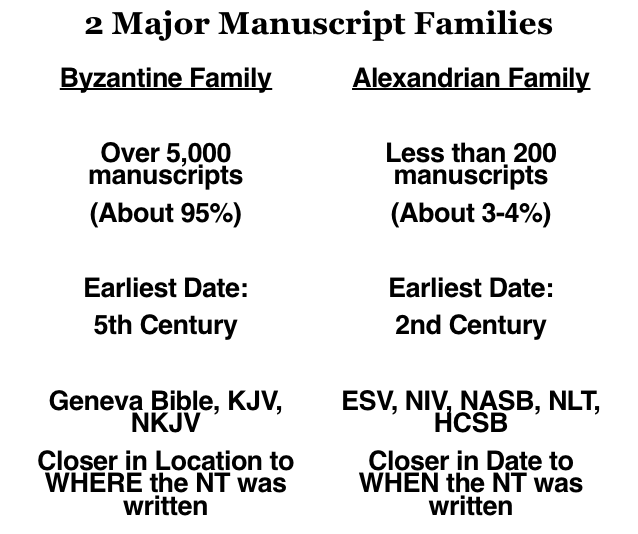
From the Translator’s Preface in the NIV:
“Sometimes a variant Hebrew reading in the margin of the Masoretic Text was followed instead of the text itself.”
“The translators also consulted the more important early versions-the Septuagint; Aquila, Symmachus and Theodotion; the Vulgate; The Syriac Peshitta; the Targums; and for the Psalms the Juxta Hebraica of Jerome. Readings from these versions were occasionally followed where the Masoretic Text seemed doubtful and where accepted principles of textual criticism showed that one or more of these textual witnesses appeared to provide the correct reading.”

This is known as “eclectic” scholarship. In other words, if I don’t like what I read in the manuscripts, there is always another writing by an unbelieving, perverted scholar who will tell me what I want to hear.
**The modern versions use Rudolph Kittel’s Biblia Hebraica for the Old Testament. The King James uses the 1524-25 Bomberg edition of the Masoretic Text known as the Ben Chayyim text. There were two editions of Biblia Hebraica in 1906 and 1913. In the third edition, changes took place, 20,000 to be exact from the Ben Chayyim text, when the editors incorporated the readings of the Leningrad Codex (circa 1008 A.D. and believed to be written in Egypt) in his 1937 edition (completed by Albrecht Alt and Otto Esselte – Stuttgart, 1937), and it is also used in the 1977 edition of the Biblia Hebraica Stuttgartensia. Their text was the Ben Asher text which they exchanged from the Ben Chayyim text and it contained the readings of a few minor Hebrew manuscripts.
THE NEW TESTAMENT
- 30-95———-Original Autographs
- 150————-Tatian’s Diatesseron
- 200————-Clement’s Manuscripts
- 225————-Origen’s Hexapla
- 331————-Vaticanus (B) – Believed to be one of Constantine’s Bibles by Eusebius
- 331————-Sinaiticus (Aleph) – Believed to be one of Constantine’s Bible by Eusebius
- 400————-Jerome’s Latin Vulgate (official bible of Roman Catholic Institution for over 1,000 years)
- 450————-Codex Alexandrinus (circa)
- 450————-Codex Ephraemi (circa)
- 450————-Codex Bezae (circa)
- 1481———–Discovery of Vaticanus (B) Manuscript in Vatican Library
- 1582———–Douay-Rheims New Testament
- 1592———–Clementine Bible (By Pope Clement VIIII 1592-1605)
- 1610———–Douay-Rheims Complete Bible (Jesuit Bible)
- 1657———–Brian Walton’s Polyglot
- 1707———–John Mill’s Edition
- 1729———–The New Testament in Greek and English (Unitarian tendencies) by Daniel Mace
- 1745———–The Primitive New Testament – William Whiston
- 1750———–Holy Bible translated from the Latin Vulgate – Richard Challoner
- 1764———–A new and literal translation of all the books of the Old and New Testament; with notes critical and explanatory by Anthony
- Purver – Otherwise known as the Quaker Bible
- 1768———–A Literal Translation of the New Testament – Edward Harwood
- 1774———–Griesbach’s Greek New Testament
- 1790———–An Exposition of the New Testament – William Gilpin
- 1791———–A Translation of the New Testament – Gilbert Wakefield – He was a Unitarian
- 1795———–A Translation of the New Testament from the Original Greek – Thomas Haweis
- 1796———–An Attempt toward revising our English Translation of the Greek Scriptures – William Newcome (Unitarian)
- 1798———–A Translation of the New Testament from the Original Greek – Nathaniel Scarlett (A Unitarian Version)
- 1808———–The New Testament, An improved version upon the basis of Archbishop Newcome’s new translation with a corrected text
- and notes critical and explanatory. A Revision of Newcome’s 1796 Unitarian version
- 1808———–The Holy Bible containing the Old and New Covenant based upon the Septuagint – Charles Thomson
- 1823———–The New Testament in Greek and English based upon the manuscript of Greisbach
- 1826———–The Sacred Writing of the Apostles and Evangelists of Jesus Christ, Commonly Styled The New Testament. Translated
- from the Original Greek by Alexander Campbell
- 1828———–The Gospel of God’s Anointed, the Glory of Israel, and the Light of Revelation for the Gentiles by Alexander Greaves
- 1828———–The New Testament in the Common Version by John Gorham Palfrey
- 1833———–A New and Corrected Version of the New Testament by Rodolphus Dickinson
- 1836———–The Book of the New Covenant of our Lord and Savior Jesus Christ by Granville Penn
- 1840———–The New Testament translated from the text of J. J. Greisbach by Samuel Sharpe
- 1841———–The Holy Bible, containing the Authorized Version … with twenty thousand emendations – John Conquest, Editor
- 1842———–Carl Lachmann’s New Testament
- 1844———–Discovery of Sinaiticus (Aleph) in garbage pail at St. Helens Monastery in Sinai
- 1850———–The Commonly Received Version of the New Testament … With Several Hundred Emendations by Spencer Cone and
- William Wyckoff
- 1851———–The New Testament translated from the Syriac Peshitta – James Murdock
- 1856———–A Translation of the Gospels – Andrews Norton
- 1857———–Tregelle’s New Testament
- 1858———–New Testament translated from the Original Greek based on Tischendorf’s text by Leicester Ambrose Sawyer
- 1859———–Tischendorf’s 7th Edition New Testament
- 1862———–The Life and Epistles of St. Paul – W. J. Conybeare & J. S. Howson
- 1863———–A Literal Translation of the New Testament of our Lord and Saviour Jesus Christ based on the Vaticanus Manuscript by
- Hermann Heinfitter – Real name Frederick Parker
- 1864———–The Emphatic Diaglott – Benjamin Wilson
- 1867———–The Gospels, Acts, Epistles, and Book of Revelation: Commonly called the New Testament by J. N. Darby
- 1867———–The Holy Scriptures, Translated and Corrected by the Spirit of Revelation, by Joseph Smith, Jr. the Seer – Mormon
- 1869———–Alford’s New Testament
- 1869———–The New Testament – George R. Noyes (Unitarian)
- 1872———–Tischendorf’s New Testament
- 1872———–Rotherham Version – Translated from Tregelles Text – Joseph Bryant Rotherham
- 1875———–The New Testament of our Lord and Savior Jesus Christ
- 1876————The Holy Bible … translated literally from the original tongues by Julia Evelina Smith Parker
- 1881———–The Revised Version of Hort & Westcott
- 1888———–The New Covenant – J. W. Hansen
- 1890———–The Holy Scriptures – John Nelson Darby
- 1899———–Douay-Rheims American Edition
- 1900———–Epistles of the New Testament – Henry Hayman
- 1901———–The American Standard Version – Phllip Schaff – Editor
- 1901———–Modern American Bible – Frank Schell Ballentine (Revised in 1909)
- 1901———–Moffatt’s Historical New Testament – James Moffatt
- 1901———–Way’s Epistles – Arthur Way
- 1901———–Young People’s Bible or the Scriptures Corrected – Harriet Jones
- 1902———–The Emphasized Bible – Joseph Bryant Rotherham (4 Volumes)
- 1902———–Translation of the New Testament from the Original Greek – W. B. Godbey (Based on Codex Sinaiticus)
- 1902———–Twentieth Century New Testament (Revised 1904)
- 1903———–The Holy Bible in Modern English – Ferrar Fenton
- 1903———–The New Testament in Modern Speech – Richard Weymouth
- 1904———–Worrell’s New Testament – A. S. Worrel (A mediocre revision of the ASV of 1901)
- 1904———–Century Bible (Contains both KJV text and RV of 1881)
- 1905———–LLoyd’s New Testament – Samuel LLoyd
- 1906———–Forrester Translation – Henry Forrester
- 1907———–Bourne’s Gospel – A. E. Bourne
- 1907———–Moulton’s Modern Reader’s Bible – Richard C. Moulton
- 1908———–Rutherford’s Epistles
- 1909———–Bible in Modern English
- 1909———–Weaver’s New Testament – S. Townsend Weaver
- 1910———–The Cunard’s by F. W. Cunard
- 1912———–The Improved Bible Union Version – American Baptist Publishing Society
- 1913———–The New Testament: A Translation in Modern Speech by James Moffatt (Revised 1917)
- 1914———–The Numeric New Testament – Ivan Panin (Revised 1935)
- 1914———–Cunnington’s New Testament – E. E. Cunnington (Based on the Western Texts in the 4th Edition Greek nestle Text)
- 1916———–The McFayden Psalms in Modern Speech – John McFayden
- 1917———–The Holy Scriptures according to the Masoretic Text – Jewish Publication Society Bible
- 1918———–Anderson New Testament from the Sinaiticus Manuscript – Harry Tompkins Anderson
- 1919———–The Messages of the Bible – Frank Sanders & Charles Kent
- 1921———–Common Speech by T. W. Pym
- 1921———–The Shorter Bible – Charles Foster Kent
- 1921———–A Plain Translation of the New Testament by a Student – Bird McCarron
- 1922———–The Plainer Bible – Chaplain Frank Valentine
- 1923———–The New Testament: An American Translation – Edgar Goodspeed
- 1923———–The Riverside New Testament – William G. Ballenteen
- 1923———–The Robertson Translation – A. T. Robertson
- 1924———–The Labor Determinative Version
- 1924———–Centenary Translation of the New Testament – Helen Barrett Montgomery
- 1925———– Askwith’s Psalms – E.H. Askwith
- 1925———–People’s New Covenant -Arthur E. Overbury
- 1925———–Children’s Bible – Charles Foster Kent and Henry A. Sherman
- 1926———–The Moffatt Bible: A New Translation of the Bible – James Moffatt
- 1926———–Concordant Version – Adolph Ernst Knoch
- 1927———–Kent’s Student Old Testament
- 1927———–Smith’s and Goodspeed’s Translation
- 1928———–The Christian’s Bible – George LaFever
- 1928———–Good News according to Matthew for use by “Christian Spiritualists” – J. W. Potter
- 1928———– Czarnomska Version – Elizabeth Czarnomska
- 1929———–The Galwyn’s Psalms
- 1930———–The Loux Mark Edition – Dubois Loux
- 1931———–The Wales Psalms – Frank Wells
- 1932———–The Chaplain Ballenteen Edition – Frank Shell
- 1932———–The Kleists Memoirs of St. Peter – James Kleist
- 1933———–Torrey’s Four Gospels – Chaplain Cutler Torrey
- 1934———–Royd’s Epistles and Gospels – Thomas Fletcher Royd
- 1934———–The Old Testament in Colloquial English
- 1934———–The Wade Translation – G. W. Wade
- 1935———–The Westminster Version of the Sacred Scriptures (A Roman Catholic Version) – Revised 1948 – NT Only
- 1937———–The Cornish Translation of St. Paul – Gerald Warre Cornish
- 1937———–Greber’s New Testament – Johannes Greber
- 1937———–Martin’s New Testament – William Wallace Martin
- 1937———–21 Canonical Epistles
- 1937———–Spencer’s New Testament – Francis Spencer
- 1937———–The New Testament: A Translation in the Language of the People – Charles B. Williams
- 1938———–The Book of Books – United Society for Christian Literature
- 1938———–Buttonweiser’s Psalms – Moses Buttenweiser
- 1938———–Clementson’s New Testament – Edgar Lewis Clementson
- 1939———–The Osterley Psalms – W. O. E. Oesterley
- 1940———–Dakes’s Gospels – John A. Dakes
- 1941———–St. Mark in Current English – Mary Matheson
- 1941———–The New Testament of our Lord and Savior (Translated from Jerome’s Latin Vulgate)
- 1944———–The Callan’s Psalms – Charles J. Callan
- 1944———- Wand’s New Testament Letters – J. W. C. Wand
- 1945———- Stringfellow’s New Testament – Erwin Edward Stringfellow
- 1946———–Lenski’s Interpretation – by R. C. H. Lenski
- 1946———–The Revised Standard Version of the NCC – Luther Weigle, Editor
- 1947———–Eerdman’s Psalms – B. D. Erdman
- 1947———–Swann’s New Testament – George Swann – Translated from the Greek of Hort and Westcott
- 1948———–The Letchworth New Testament – Thomas and Ralph Ford
- 1949———–The Basic Bible containing the Old and New Testament in Basic English – S. H. Hooke, Editor
- 1949———–The Leslie Psalms – Elmer A. Leslie
- 1950———–The Sacred Name New Testament – Angelo Traina
- 1951———–The Authentic Version – Brotherhood Authentic Bible Society
- 1951———–The New Testament in Modern English – Olaf Morgan Norlie (Reprinted in 1962 as the Children’s Simplified NT
- 1951———–Vernon’s Mark – Edward Vernon
- 1951———–The Sacred Writings of the Apostles and Evangelists of Jesus Christ commonly styled the New Testament by G. Campbell,
- J. MacKnight, P. Doddridge
- 1952———–The Revised Standard Version update
- 1952———–The New Testament, a New Translation in Plain English – Charles Williams
- 1952———–The Penguin Bible – Emil Victor Rieu & C. H. Rieu
- 1952———–The Four Gospels, A new Translation from the Greek – Emil Victor Rieu
- 1954———–The New Testament rendered from the original Greek with Explanatory Notes by James A. Kleist and Joseph L. Lilly
- 1954———–Kleist and Lynam’s Psalms – James Kleist & Thomans Lynam
- 1954———–The Kissane’s Psalms – Monsignor Edward J. Kissane
- 1954———–St. Paul’s Shorter Letters – Hobart G. Hoerber
- 1954———–The Moore’s New Testament – George Albert Moore
- 1954———–The Amplified Gospel of John
- 1955———–The Holy Bible; A Translation from the Latin Vulgate in the Light of the Hebrew and Greek Originals by Ron Knox
- 1955———–The Authentic New Testament, edited and translated from the Greek for the General Reader by Hugh J. Schonfield
- 1956———–The Inspired Letters in Clearest English – Frank C. Laubach
- 1957———–The Concordant Version – Concordant Publishing Concern
- 1957———–The Lamsa Translation – Translated from the Peshitta – George M. Lamsa
- 1958———–The Amplified New Testament
- 1958———–The Hudson Translation – James T. Hudson
- 1958———–The Meissner’s Gospels – Lawrence Meissner
- 1958———– Tomanek New Testament – James L. Tomanek
- 1958———–Phillips New Testament in Modern English – J. B. Phillips
- 1959———–Mark – Annie Cressman
- 1959———–The Berkeley Version in Modern English by Gerrit Verkuyl and other translators
- 1959———–The Modern Language Bible
- 1960———–Reina-Valera Revision (Spanish)
- 1960———–The New American Standard Version
- 1960———–The Children’s King James
- 1961———–The New English Bible New Testament – C. H. Dodd
- 1961———–The New World Translation (Jehovah’s Witnesses) – Revised from the 1950 edition
- 1961———–Noli’s Greek Orthodox New Testament – Fan Noli
- 1961———–One Way Bible
- 1961———–Simplified New Testament – Olaf M. Norlie
- 1961———–Wuest Expanded New Testament – Kenneth Wuest
- 1962———–The Children’s Version
- 1962———–The New Jewish Version – Jewish Publication Society
- 1962———–Four Gospels and the Revelation – Richard Lattimore
- 1963———–Beck’s New Testament – William F. Beck
- 1963———–Holy Name Bible – A. B. Traina
- 1963———–The New Testament: A New Translation in Plain English – Charles Williams
- 1963———–Gelineau’s Psalms – Joseph Gelineau
- 1964———–The Anchor Bible – William Albright & David Freedman
- 1964———–The Hadas Psalms – Gershon Hadas
- 1965———–Bruce’s Expanded Paraphrase of the Letters of Paul – Frederick Bruce, Moulton, & Scrivener
- 1965———–The Complete Amplified Bible – Frances Siwert
- 1966———–Today’s English Version (Good News for Modern Man) New Testament – Robert Bratcher
- 1966———–Jerusalem Bible – Alexander Jones, Editor
- 1966———–The Bible in Simplified English – The Liturgical Press
- 1966———–The Burke Translation – Carl F. Burke
- 1966———–The Living Scriptures – Jay Green
- 1967———–Dale’s New World Bible – Alan T. Dale
- 1967———–The Liverpool Vernacular Gospels – Dick Williams & Frank Shaw
- 1968———–The Cotton Patch Version – Clarence Jordan
- 1968———–Hanson’s Psalms in Modern Speech – Richard Hanson
- 1968———–Restoration of Original Name New Testament – Rotherham
- 1969———–Barclay’s New Testament – William Barclay
- 1969———–The Children’s New Testament – Gleason H. Ledyard
- 1969———–The New Life Testament – Gleason H. Ledyard
- 1969———–New Life Version
- 1969———– Worldwide English New Testament – Annie Cressman
- 1970———–King James II New Testament by Jay Green (1)
- 1970———–New English Bible with the Apocrypha – C. H. Dodd
- 1970———–New American Bible (Roman Catholic) – Louis F. Hartman and Myles M. Bourke Editors
- 1971———–Blackwell Exegetical Translation – Boyce Blackwelder
- 1971———–The Living Bible – Kenneth Taylor
- 1972———–J. B. Phillips Translation
- 1972———–The Bible in Living English – Steven Byington (Jehovah’s Witness)
- 1972———–The Alba House New Testament – Kevin Condon
- 1972———–Today’s English New Testament – Don Klingensmith
- 1973———–New International Version
- 1973———–The Common Bible – RSV plus Apocrypha
- 1973———–The Translator’s New Testament – W. D. McHardy
- 1973———–The Better Version of the New Testament by Chester Estes (Based on Greisbach’s Text)
- 1973———–The Psalms – Mother Maus
- 1973———–A Child’s Bible – Anne Edwards
- 1974———–Klingensmith New Testament – Don J. Klingensmith
- 1975———–The Word Made Fresh – Andrew Edington
- 1976———–Train Up A Child – Ben Nutt
- 1976———–The Holy Bible in the Language of Today – William F. Beck
- 1976———–New Life Testament – Gleason Ledyard
- 1976———–The Heart of Paul: A Relational Paraphrase of the New Testament – Ben Johnson
- 1976———–Concise Jewish Bible – Philip Birnbaum
- 1976———–Good News Bible – both Old & New Testament – Robert Bratcher
- 1976———–Renaissance New Testament – Randolph O. Yeager
- 1977———–The Gospels in Scouse – Dick Williams and Frank Shaw
- 1977———–Marrow Gospels
- 1977———–The Psalms – David L. Frost
- 1977———–Christian Counselor’s New Testament – Jay Adams
- 1977———–Holy Bible for Children – Allan Hart Johnson
- 1978———–The New Testament for the Deaf – Deaf Missions
- 1978———–Holy Name Bible – Scripture Research Association
- 1979———–New King James Version
- 1979———–English Messianic Jewish Version
- 1979———–Ephesians – R. Paul Caudill
- 1979———–Lattimore’s Gospels and Revelation – Richmond Lattimore
- 1979———–Sasson’s Ruth – Jack Sasson
- 1979———–The Psalms – Bonaventure Zerr
- 1979———–Mitchell’s Job – Stephen Mitchell
- 1980———–The Four Gospels: An Exegetical Translation
- 1981———–The Simple English New Testament – International Bible Translators
- 1982———–The Messianic Edition of the Living Bible – David Bronstein
- 1982———–The Basic Bible
- 1982———–Reader’s Digest Bible
- 1985———–New Jerusalem Bible – Henry Wansbrough Editor
- 1985———–The New Testament Recovery Version
- 1987———–The Everyday Bible: New Century Version – Ervin Bishop
- 1988———–McCord’s New Testament Translation of the Everlasting Gospel by Hugo McCord
- 1989———–The New Revised Standard Version
- 1989———–The Revised English Version with Apocrypha ( A revision of the 1970 New English Bible)
- 1989———–Jewish New Testament – David H. Stern
- 1993———–The Message – Eugene Peterson
- 1993———–The Five Gospels: The search for the authentic words of Jesus – Robert W. Funk
- 1994———–The Inclusive New Testament – Craig Smith Editor
- 1995 ———-New American Standard Version Update
- 1995———–Contemporary English Version
- 1995———–New Testament and Psalms: An Inclusive Version – Victor Gold
- 1995———–God’s Word – Eugene Bunkowske
- 1995———–The New Testament: An Understandable Version – William Paul
- 1995———–Holy Bible: Contemporary English Version – Barclay M. Newman (American Bible Society)
- 1995———–The Five Books of Moses – Everett Fox
- 1996———–NIV: Inclusive Language Version – London, England
- 1996———–The New Testament – Richard Lattimore
- 1996———–New Living Translation
- 1996———–Bible in Worldwide English
- 1996———–New International Readers Version
- 2001———–English Standard Version (National Council of Churches production)
- 2001———–New English Translation – W. Hall Harris, Editor
- 2002———–The Message: The Bible in Contemporary Language – Eugene Peterson
- 2002———–Today’s New International Version
- 2003———–Holman Christian Standard Bible
- 2003———–Revolve New Testament (New Century Version)
- 2004———–The Five Books of Moses: A Translation with Commentary – Robert Alter
- 2004———–New Living Translation – Second edition – Mark Norton, Editor
- 2004———–Good As New: A Radical Retelling of The Scriptures – John Henson of the One Community
- 2005———–Today’s New International Version (Complete Bible)
- 2010———–Lexham English Bible
- 2010———–Common English Bible
- 2011———–2011 New International Version
(1) Jay Green’s translation is listed here because he, like the modern scholars, disputes whether Acts 8:37 & 1 John 5:7 are really in the text. 1 John 5:7-8 has been found in the Old Latin Vulgate (not Jerome’s) and early church lectionaries. Acts 8:37 is found in the Old Latin Vulgate Version, a Middle Egyptian Version and a Syriac Version.
Are There Significant Differences in the Bible Versions? | The Audacity of Defending the New Versions |
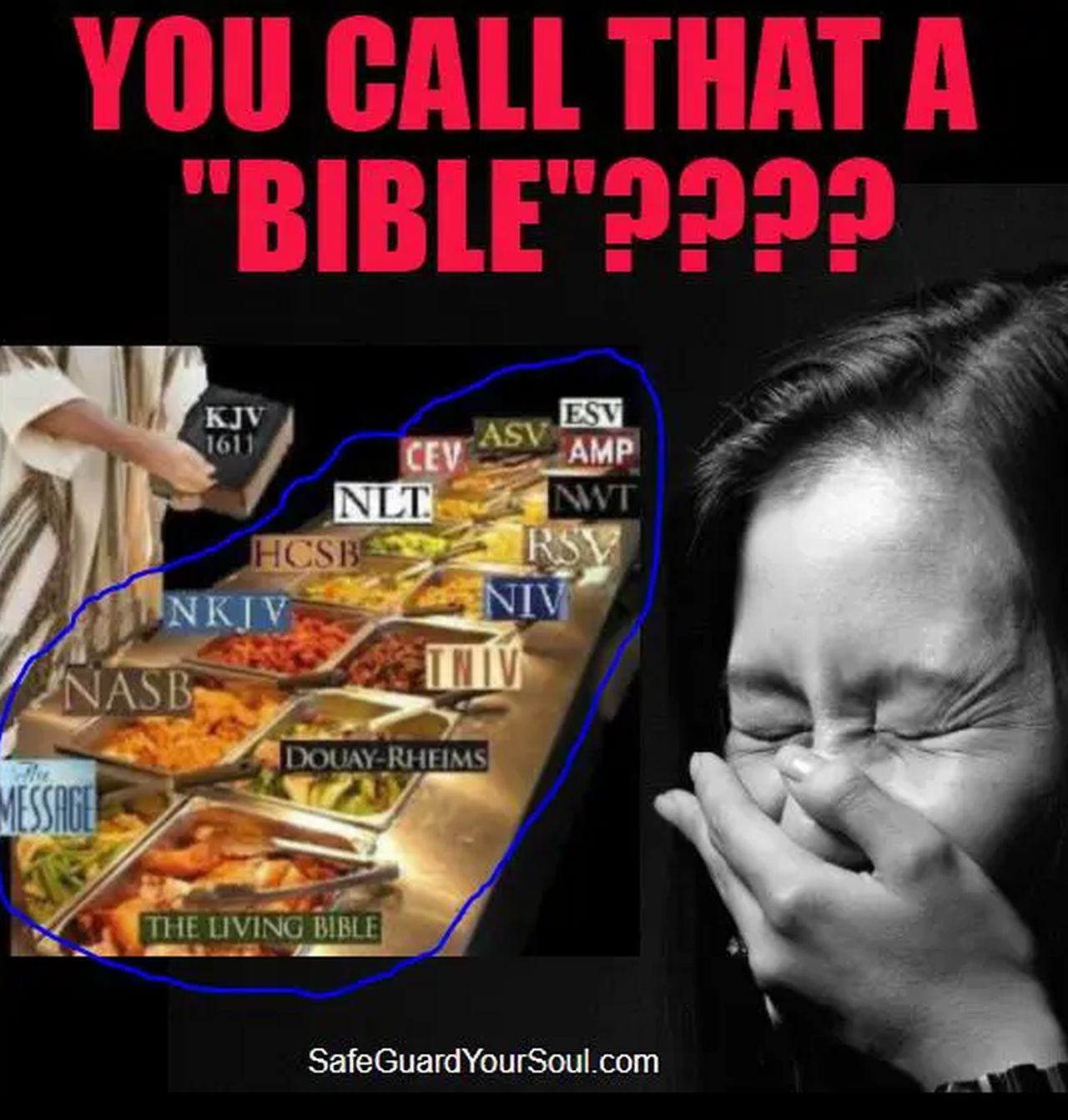
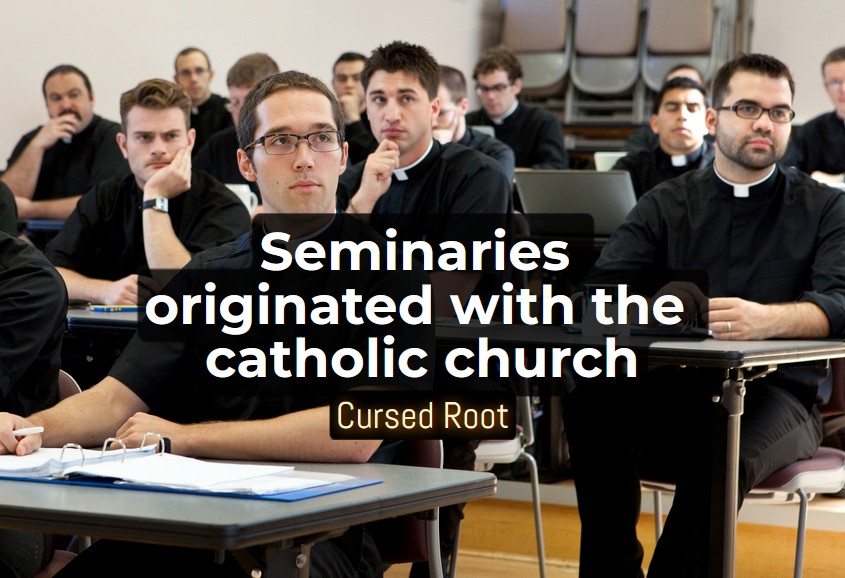
“Modern scholarship” comes out of the jesuit-corrupted seminaries and is a belly laugh. Layers and layers of lies covering its dirty tracts are stack up to “confirm” the previous lies. Most modern so-called “scholars” use Satan’s “bibles” which is all we need to know! The corrupt defend corrupted “bibles.” Any man who can use those horrible excuses for a Bible is in darkness. What’s that say for the lightweights many call “pastors” today? You have to cast away the “Spirit of truth” and the common sense God gave you to be indoctrinated by the doctors of damnation and to buy into the new “bible” version lies (John 16:13-14). SMH
Support | STORE | Podcasts | Jail/Prison Ministry | Mexico Mission here | All Ministry Updates | H.O.T. Bible Study [podcast] | Church History Exposed | Bible Agnostics Exposed | How to Spot a Fake Bible [podcast] | WHAT ABOUT PEOPLE WHO CAN’T UNDERSTAND THE KJB? [podcast] | New American Standard Version “Bible” NASV Catastrophe Exposed | The Audacity of Defending the New Versions | Do We Have God’s Word or Do You Need to Know the Original Languages? [podcast] | Bible Versions Category |

Abiding
The Danger of Joining a Modern Church [podcast]
Fruit. Fruit. Fruit.
“Either make the tree good, and his fruit good; or else make the tree corrupt, and his fruit corrupt: for the tree is known by his fruit.” Matthew 12:33
Speaking of the pattern of one’s life, Jesus taught that a good tree cannot bear bad fruit. A bad tree cannot bear good fruit.
“Beware of false prophets, which come to you in sheep’s clothing, but inwardly they are ravening wolves. 16 Ye shall know (discern) them by their fruits. Do men gather grapes of thorns, or figs of thistles? 17 Even so every good tree bringeth forth good fruit; but a corrupt tree bringeth forth evil fruit. 18 A good tree cannot bring forth evil fruit, neither can a corrupt tree bring forth good fruit. 19 Every tree that bringeth not forth good fruit is hewn down, and cast into the fire. 20 Wherefore by their fruits ye shall know them.” Matthew 7:15-20
Jesus commanded His people to “know” which is to discern all “by their fruits”—to be fruit inspectors—first in their own lives and then in all others (1 Corinthians 11:31-32; 2 Corinthians 13:5).
Personally, I fail to find anywhere that Jesus or His apostles instructed any saints to “go find a local church and plug in.” Hebrews 10:25 is peddled by pastors today who seek a loyal following instead of seeking to fulfill their God-given duties to establish their hearers in the faith, to ground them in God’s Word, to equip them for the work of the ministry, etc.
“Not forsaking the assembling of ourselves together, as the manner of some is; but exhorting one another: and so much the more, as ye see the day approaching.” Hebrews 10:25
Read that again please. Does it say to find a church? No. Those who are born again ARE already God’s “church” which simply means His called out people. More biblically, should we not simply be His church—His people, daily? This seems to be the pattern we see among the earliest followers of Jesus (Acts 2:42-47; 5:42; Colossians 3:16, etc.).
The authentic remnant elect of Christ do not patronize or bid Godspeed to false leaders (2 John 9-11; Revelation 2:2).
Refusing to sit under, condone, bid Godspeed to the false gospel, false doctrines, false teachers and wolves of the modern church … is not forsaking the assembly! Instead, it’s obedience to God who mandates that we “mark them,” that we “earnestly contend” against them, and warns us that anyone who bids Godspeed to them will be punished with them (Romans 16:17-18; Jude 3; 2 John 10-11).
If you are prone to cite Hebrews 10:25 to advocate for going to church weekly, consider where you learned that. In churches, right? Funny you probably don’t even have 10 Bible verses memorized and yet, to the benefit of the pastor, you know that one. What does this tell us? What does this reveal? What’s wrong with this picture?
What happens when people get loyal to a local church especially in this late hour where great apostasy was foretold? Here are a few obvious things that happen when someone “joins a church.”
- Most people who join churches today are not even born again, are not told they must repent and believe on Jesus to be born again. They become proud of their pastor and friends at that gathering (Zechariah 11:17).
- Church members are not learning the Word of God itself because they are simply being led by a wolf who is fostering their allegiance toward himself, not Christ (Colossians 2:8-10, 18-19; 3:1-4).
- They are not becoming soul winners (Proverbs 11:30; Luke 19:10).
- Attenders of modern churches are seldom if ever taught, established with personal knowledge of the Scriptures, the paramount truth that God’s Word itself is the final divine authority on all matters of the Christian faith and the practice of it (Deuteronomy 4:10; Psalms 119; 138:2; Isaiah 40:8; Mark 13:31; John 10:35; Romans 3:4; 2 Timothy 3:15-17; 2 Peter 1:19-21).
- The Bible message, warning to “love not the world” is seldom or never heard. Those who live worldly are separated from God (James 4:4; 1 John 2:15-17).
- Fake pastor do not teach people to get into God’s Word for themselves and so church attenders today are not in the Word daily for themselves which is by satanic design and therefore have no biblical foundation (Psalms 11:3; Matthew 7:19-29; 2 Timothy 2:15).
- When do we hear in modern churches that Jesus Christ is the Grand Subject of all of Holy Scripture? We don’t (Psalms 40:7-8; Luke 24:25-27, 44-46; John 5:39-40; 2 Peter 1:19-21).
- They are never taught the value God places upon good works in those He saves by His grace (Ephesians 2:8-10; Titus 1:16; 3:8; 1 John 2:4).
- The Great Commission Jesus gave to His people is never mentioned and when it is, they’ve turned it into just another way of promoting themselves, their own brand, ministry (Matthew 28:18-20; Mark 16:15-20; Luke 24:47; Book of Acts).
- They are not being equipped “for the work of the ministry” which is the duty being carried out by every authentic overseer of Christ’s church (Ephesians 4:11-12; 1 Peter 5:1-6).
- Never taught in the modern churches is the fact that God holds each person He saves personally responsible, personally accountable for following Jesus daily (Deuteronomy 24:16; Joshua 24:14-15; Luke 21:34-36; 2 Timothy 2:15; Hebrews 3:6, 12-14; 10:26-39; 12:14; Revelation 2-3, etc.).
- Modern day church members are not in the Word for themselves and the pastors have led them to this biblical illiteracy because they are building a church busine$$ and dumb people are easy prey/targets to rob (Isaiah 9:16; 56:8-12; Jeremiah 23; Ezekiel 34; Matthew 23; 2 Thessalonians 2:9-12; 2 Timothy 4:2-4, etc.).
- Church goers are barely or never heard the essential cross message which Jesus requires to follow Him (Matthew 16:24-25; Luke 9:23-24; Romans 6; 2 Corinthians 4:10-12; Galatians 2:20; 5:24; Colossians 3:3, etc.).
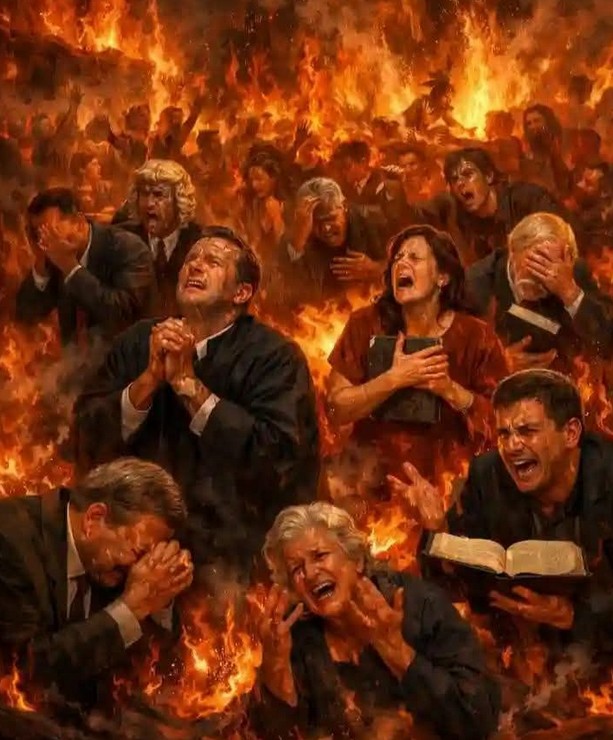
- They are never warned of going to hell if they die in sin (Ezekiel 33:12-13; Matthew 10:22; 24:13; Hebrews 3:6; 10:26-39; Revelation 21:8, 27).
- They are never taught that God is “Holy, holy, holy” and that He requires that those who are His be holy as He is holy (Isaiah 6:3; 1 Peter 1:15-16; Revelation 4:8).
- Those who attend a church are never informed that only those who overcome sin and Satan will be with Jesus eternally which is exactly what Christ told each and every one of the seven churches of Asia minor (Revelation 2-3).
- They are never taught that saving grace without exception results in the saved living according to the Scripture: “Teaching us that, denying ungodliness and worldly lusts, we should live soberly, righteously, and godly, in this present world; (Titus 2:11-12).
- Members are taught the demonic lie of eternal security/once saved always saved , which is Satan’s first teaching and irrefutably led to the fall of mankind in the Garden (Genesis 2:17; 3:4).
- The mountains of warnings in Scripture are intentionally hidden from the congregational dupes who are willingly biblically ignorant, having rejected the knowledge/Word of God (Ezekiel 3:7; Hosea 4:6; 2 Corinthians 5:11; Colossians 1:28; Jude 3-4, etc.).
- Most church members are not taught that only those who remain in Christ after being saved will be with Him eternally (Matthew 25:1-13; John 15:6; Romans 11:20-22, etc.).
- Modern church attenders are seldom if ever warned to come out from this sinful world in the way they live (2 Corinthians 6:14-7:1).
- They are lukewarm which means hell bound if they don’t repent (Luke 3:15-16).
- The original Gospel essential, the command to “repent” is never heard, even though it was the very first word spoken by John the Baptist, Jesus, and the apostle Peter in their ministries (Matthew 3:2; 4:17; Acts 2:38; 3:19; 17:30).
- Modern church members are merely a participant of a “Christian” social club seen nowhere in Scripture (Cp. Acts 2:42-47).
- Their loyalty and allegiance is toward the pastor, singing group, and fellow congregants (Proverbs 21:16).
- They are never taken through the volumes of Holy Scripture where God judged His very own people who backslid (Numbers 16; 25; Romans 11:20-22; 1 Corinthians 10:1-12; Hebrews 3-4; Jude 1).
- Church members are taught to become dependent on their church affiliation, connection, and attendance and not the LORD (Matthew 15:8).
- They are not daily seeking the face of the LORD (1 Chronicles 16:11; Psalms 27:4, 8; 57:7; 63:8; Matthew 6:33; Luke 9:23-24).
- Seminarian led church members are seldom if ever taught that for eternal glory with Him Jesus requires the decisive cutting off of the hand and plucking out of the eye of any sin that defiles them in the eyes of a holy God (Mark 9:43-49).
- When the Bible is literally read, 99% of the time it’s from a vatican corrupted fake “bible.”
- Most are barely if at all different from any lost soul around them in their daily life (2 Corinthians 6:14-18).
- Due to their own refusal to truly repent and walk with Jesus daily, they were sent strong delusion, are in darkness and deception, and therefore “remain in the congregation of the dead” (Proverbs 21:16).
“God is greatly to be feared in the assembly of the saints, and to be had in reverence of all them that are about him.” Psalms 89:7
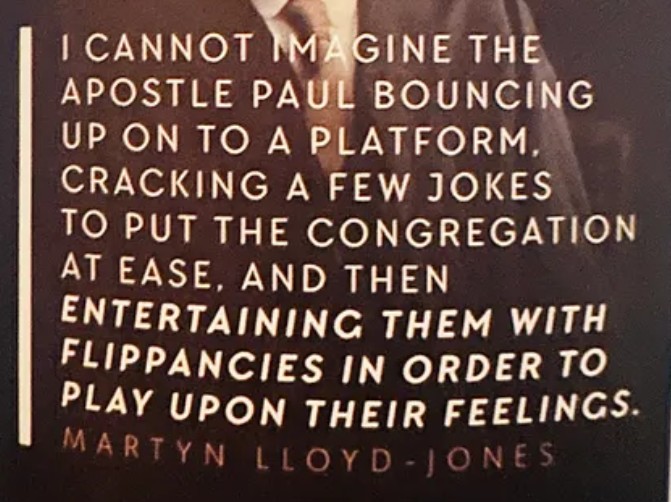
The words “leader” and “leaders” appear 6 times (total) in God’s Word. It is always to be in context of servant leading (Matthew 20:20-28; 23:8-12; 1 Peter 5:1-6). In the following and most popular times “leaders” is used, it’s in the negative, as in false “leaders.”
“For the LEADERS of this people cause them to err; and they that are led of them are destroyed.” Isaiah 9:16
“Let them alone: they be blind LEADERS of the blind. And if the blind lead the blind, both shall fall into the ditch.” Matthew 15:14
They love their darkness rather than the light of His truth and therefore craft, they erect the image of a false god in their wicked unrepentant hearts.
“Even him, whose coming is after the working of Satan with all power and signs and lying wonders, 10 and with all deceivableness of unrighteousness in them that perish; because they received not the love of the truth, that they might be saved. 11 And for this cause God shall send them strong delusion, that they should believe a lie: 12 that they all might be damned who believed not the truth, but had pleasure in unrighteousness.” 2 Thessalonians 2:9-12
“Jeremiah 7. The people were wicked and evil, placing their trust in the temple, instead of God, and believing their religious activities would be pleasing to the Lord. But they were committing all kinds of sins, deluding themselves into thinking that they were secure. God said, I will cast you out of my sight! And instructed Jeremiah not to pray for them. They refused to obey the Lord God nor receive correction, and the truth had perished, so God said, I will cut them off from my mouth! Wow! Isn’t this exactly what we are seeing in this late hour? There comes a time when the Lord has had enough and cuts them off! And judgment falls upon those who don’t want the truth.” Karen Cochran
Support | STORE | Podcasts | Jail/Prison Ministry | Mexico Mission here | All Ministry Updates | The Return of Christ | Stewardship | Apostate Modern Church Exposed | Beware of the BUZZ WORD Bandits [podcast] | Preach the Word | Wolves Exposed | Church Membership Exposed | 100’s of Christ-centered, Scripture-rich Podcasts | Knowing God | The Cross Life | Christology = the Study of Christ

Abiding
Christ’s Non-Negotiable Original Gospel Imperative [podcast]
“He that is not with me is against me; and he that gathereth not with me scattereth abroad.” Matthew 12:30
It’s one thing to claim we are with Christ and He with us, and it’s another thing to prove we are with the Savior by adhering to His words. Jesus told us that those who are “of God” hear and obey His words (John 8:47).
If one chooses not to love Jesus enough to obey His stated terms, such a man has rejected the Son of God for the love of sinful self and will perish in his own corruption (Matthew 22:37-40; Luke 9:23-24; 14:33; 17:33; John 14:15; 1 John 2:3-6, etc.).
“Repentance is to TAKE SIDES with God against yourself. It is a CHANGE of attitude toward SELF, toward SIN, toward GOD, toward CHRIST that is so REAL that it RESULTS in a changed life. It is raising the WHITE FLAG in SURRENDER to God and turning to Christ as your only LORD and Savior. Repentance is NOT a work … works are the fruit of repentance (Ephesians 2:8-10).” Trent Austin
Only the counterfeit will get upset at this Gospel message because such a rebel wants nothing to do with taking personal responsibility for his sin, the denial of self, the crucified life to be set apart, holy, and having the Savior reign!
Notice how Jesus knits the denial of self, the daily cross, the putting off the deeds of the body, of keeping under the body (the iniquitous fallen nature) with the destiny of the eternal soul.
“And he said to them all, If any man will come after me, let him deny himself, and take up his cross daily, and follow me. 24 For whosoever will save his life shall lose it: but whosoever will lose his life for my sake, the same shall save it. 25 For what is a man advantaged, if he gain the whole world, and lose himself, or be cast away?” Luke 9:23-25
Jesus made it clear here that the cross is an original Gospel essential, an absolute imperative to eternal glory with Him!
Each of us proves exactly who we love the most by the way we are living! – God or self!
Everything that is happening in your life now is being allowed by God in order to get you down low into the death and burial with Christ. Read 2 Corinthians 4.
“But we have this treasure in earthen vessels, that the excellency of the power may be of God, and not of us. 8 We are troubled on every side, yet not distressed; we are perplexed, but not in despair; 9 Persecuted, but not forsaken; cast down, but not destroyed; 10 Always bearing about in the body the dying of the Lord Jesus, that the life also of Jesus might be made manifest in our body. 11 For we which live are alway delivered unto death for Jesus’ sake, that the life also of Jesus might be made manifest in our mortal flesh. 12 So then death worketh in us, but life in you.” 2 Corinthians 4:7-12
Support | STORE | Podcasts | Christology | Be Ready in the Morning [podcast] | The Sure Mercies of David [podcast] | That Repentance and Remission of Sins should be Preached [podcast] | At His Feet | Modern Church | Peace with God | The Cross | Christ-Centered Podcasts |


Apostasy
Jacked Up Jezebel Rebuked [podcast]

“Jezebel is a widely rampant spirit of rebellion that is hard to get rid of, rooted in pride, self-will, and self-sufficiency. Only the LORD can deliver but only if the individual truly repents and submits to Him, to His Word.” Anita Villarreal
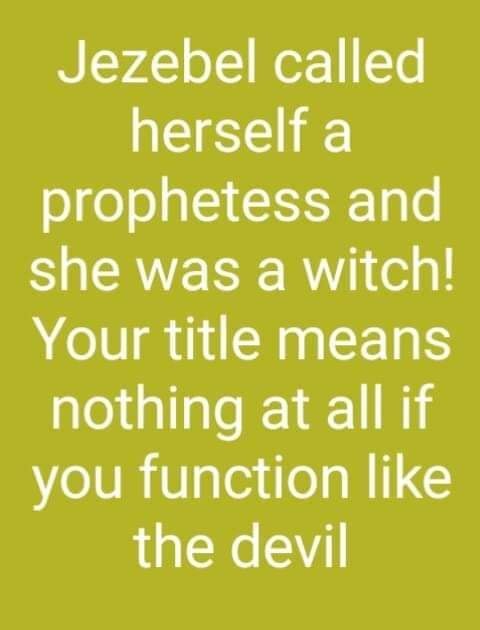
Any person defending this jezebel heresy that women can be pastors, elders over men, is under the control of Satan, period. And in need of true repentance (James 4:7).

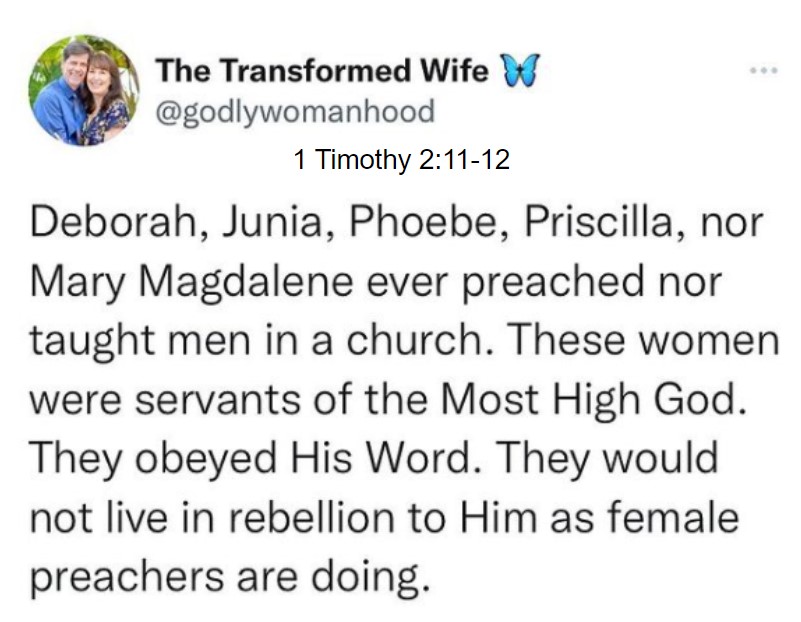
—-There are NO female apostles, prophets, evangelists, pastors, or teachers under the New Testament (Ephesians 4:8, 11-12). Jesus gave these “gifts unto MEN.” (Ephesians 4:8) There is not even one woman mentioned in 27 books as an elder over Christ’s flock. Such is clearly forbidden (1 Timothy 2:11-12). In Acts 21:9 we read of Phillip’s daughters which “did prophesy” which is a gift of the Spirit (one of the nine-1 Corinthians 12:7-10). The office gifts are eldership functions for men called to be overseers over Christ’s flock, which is completely different than the gifts of the Spirit which every believer can function in and certainly women are seen doing such as Phillip’s daughters and how women are mentioned concerning operating in the gifts of the Spirit in 1 Corinthians 14.
Classic case of a jezebel lashing out when the Word of GOD corrects her (2 Timothy 3:16-17). Her rebellion is against God. Jezebel is utterly rebellious. She hates what God’s Word says and so the demons that control jezebels will lash out in personal attacks against the men who stand on the truth unwaveringly (such as did Elijah whom Jezebel sought to kill).
“Let the woman learn in silence with all subjection. 12 But I suffer not a woman to teach, nor to usurp authority over the man, but to be in silence. 13 For Adam was first formed, then Eve. 14 And Adam was not deceived, but the woman being deceived was in the transgression.” 1 Timothy 2:11-14
“As I look around America I ask myself who can find a virtuous woman? Whose whole life is surrendered to God. And centered in the fear of the Lord. No woman will submit to their husbands unless they first submit to God. Ephesians 5:22 says women are to submit to their husbands, “as unto the Lord.” That must come first. And what is a great price in the sight of God? A woman who has a meek and quiet spirit (1 Peter 3:4). This is true beauty to God. But Jezebels are the complete opposite. Full of rebellion, pride and hatred! God says throw her down!” Karen Cochran

From the divine perspective, this is not about oppression but rather about protect. See Revelation 2:20-24 to see what Jesus warns when a woman is allowed to lead as an elder in the body of Christ. He uses the words “The depths of Satan” and speaks of the death and destruction that will result when the men allow a woman to lead in a manner that is outside of the stated role God ordained for the woman.

Yes the LORD said He will pour out His Spirit on all flesh, sons and daughter, but not to anoint a woman to do something HE forbids. Women are to teach women yes but not the general body of believers (Titus 2:1-5). There are NO female elders in the New Testament. God forbids it. Eldership is reserved for men – to humbly teach, lead and protect and cherish women and children.
“There’s a crazy role reversal across the land and men should always lead. Even our women’s prayer group was led by the pastor because that’s what he believed. Women are more emotional and men more logical. Both have their designated roles . God meant them to compliment each other rather than to compete.” John Umlauf
When people don’t like what God’s Word states, they will attack the mere messenger as if that changes the truth. Not. And, they heap judgment on themselves by doing so (Matthew 7:1-5; James 2:13). Persecution
“For we are not as many, which corrupt (twist, adulterate) the word of God: but as of sincerity, but as of God, in the sight of God speak we in Christ.” 2 Corinthians 2:17
“He that is of God heareth God’s words: ye therefore hear them not, because ye are not of God.” John 8:47
“Whoso despiseth the word shall be destroyed: but he that feareth the commandment shall be rewarded.” Proverbs 13:13
Jesus Addresses the Ahabs and Self-Appointed Jezebel at the Church at Thyatira
Revelation 2:20-24
Revelation 2:20-24 is about a certain self-appointed woman who was allowed by the spineless men in Thyatira to operate out of the biblically-stated order for women in the church setting.
Rev 2:20 Notwithstanding I have a few things against thee, because thou sufferest that woman Jezebel, which calleth herself a prophetess, to teach and to seduce my servants to commit fornication, and to eat things sacrificed unto idols.
Rev 2:21 And I gave her space to repent of her fornication; and she repented not.
Rev 2:22 Behold, I will cast her into a bed, and them that commit adultery with her into great tribulation, except they repent of their deeds.
Rev 2:23 And I will kill her children with death; and all the churches shall know that I am he which searcheth the reins and hearts: and I will give unto every one of you according to your works.
Rev 2:24 But unto you I say, and unto the rest in Thyatira, as many as have not this doctrine, and which have not known the depths of Satan, as they speak; I will put upon you none other burden.
Family | Godly Manhood | Women
The Importance, the Blessing of the Family Dinner Table [podcast]
God’s Education vs Satan’s Indoctrination [podcast]
Preacher Vicioiusly Attacked for Speaking the Truth! [podcast]
Jezebel Unmasked! Invasion of the Warrior Princess Jezebels [podcast]





The Danger of Joining a Modern Church [podcast]

Jesus Conquered Sin, Satan, and Death by Dying [podcast]

JT with Todd Tomasella of SAFEGUARD YOURSOUL – Evangelism Encouragement [video]

7 Ways to Forgive [podcast]

Christ’s Non-Negotiable Original Gospel Imperative [podcast]

The Book of Proverbs Alexander Scourby [video]

TORAH Keepers Slammed

What is our Highest Priority as we see Christ’s Return Nearing? [podcast]

“But God, who is Rich in Mercy” [podcast]

Dancing on Hell’s Grave: Why We Need not Fear Death: Resurrection Joy – Fearless in Death [podcast]

Young’s Literal Translation YLT Exposed

Jacked Up Jezebel Rebuked [podcast]

Gospel Action in Mexico Part 36 [video]

Racism: Nation Rising Against Nation [radio]

LESS than the Least! Filthy Rags Fellowship! [podcast]

4 Verse KJV Comparison [podcast]
Dancing on Hell’s Grave: Why We Need not Fear Death: Resurrection Joy – Fearless in Death [podcast]
Young’s Literal Translation YLT Exposed
TORAH Keepers Slammed

The More Blessed Life [podcast]
Racism: Nation Rising Against Nation [radio]
Jesus Conquered Sin, Satan, and Death by Dying [podcast]
Overcoming Whoredom [podcast]
The Book of Romans Narrated [podcast]
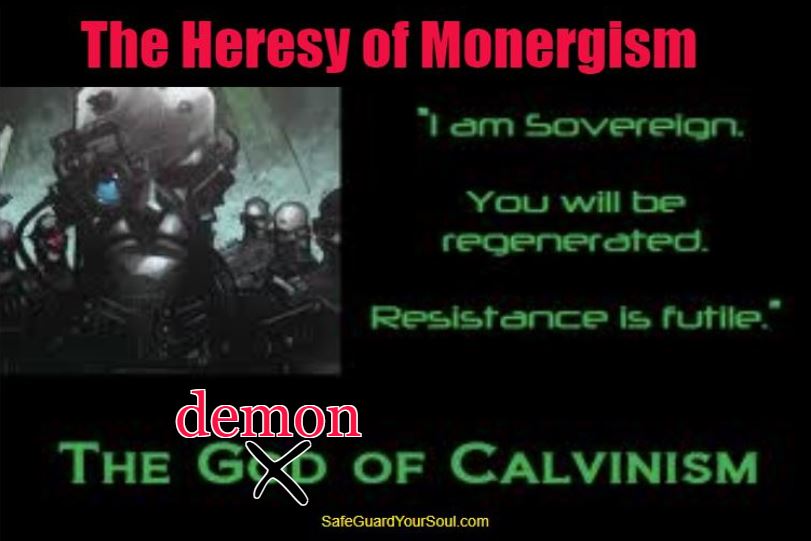
Which Came First? Faith or Regeneration-Monergism Maniacs Exposed [video]

When God Says to STOP PRAYING! [podcast]
LESS than the Least! Filthy Rags Fellowship! [podcast]

What’s Wrong with the Modern Church World? [podcast]

Full of The Holy Ghost [podcast]
Christ’s Non-Negotiable Original Gospel Imperative [podcast]
The Danger of Joining a Modern Church [podcast]
Jesus Conquered Sin, Satan, and Death by Dying [podcast]
JT with Todd Tomasella of SAFEGUARD YOURSOUL – Evangelism Encouragement [video]


 America1 year ago
The Drugging of America: The Pharmakeia Sorcery Deception [podcast]
- Articles2 years ago
Children being Rescued in Tunnels: Happening Now – UPDATE!
- Articles8 years ago
Self-Examination in Preparation for the Lord’s Return
- Apostasy2 years ago
SHOCKING List of False Prophets Most Believe are True