






Demonic heretic Bill Johnson says that Jesus was a sinner and had to be born again.
“Did you know Jesus became a sinner for us and had to be born again?” YouTube- Bill Johnson False Teacher, T. 3:48-4:55 (see video above) Bill Johnson Exposed
Out of his own mouth Bethel Church pastor Bill Johnson says “Jesus became a sinner for us and had to be born again.”
Show us where “Jesus BECAME A SINNER” or that the Son of God had to be born again in the Bible. Waiting…..
Only a sinner needs to be born again, regenerated. To call Jesus a sinner or say the Son of God became a sinner, is blasphemy. True born again disciples of Jesus have been washed from their sins in His holy, precious blood, the Son of God who is the “lamb without blemish and without spot:” (1 Peter 1:18-19)
We owe a debt we cannot pay
Jesus paid a debt He did not owe
“For the love of Christ constraineth (compels) us; because we thus judge, that if ONE DIED FOR ALL, then were all dead:” 2 Corinthians 5:14
Jesus was the prophesied Messiah, the Lamb of God, the perfect sinless Son of God and sacrifice (Leviticus 17; 1 Peter 1:18-19; John 1:29).
“Forasmuch as ye know that ye were not redeemed with corruptible things, as silver and gold, from your vain conversation received by tradition from your fathers; 19 But with the precious blood of Christ, as of a lamb without blemish and without spot:” 1 Peter 1:18-19
Jesus did NOT have to become a sinner to redeem sinners from their sin. Anyone who believes that has no biblical clue of the sacrificial system, the shedding of the blood of spotless, unblemished animals that prefigured the shedding of the precious blood of the Lamb of God which came to take away the sins of the world (John 1:29; 1 Peter 1:18-19). The Word of God tells us that Christ’s saints have been washed “with the precious blood of Christ, as of a lamb without blemish and without spot.” Notice that Jesus was “without blemish and without spot” of sin!
Of this glorious passage in 1 Peter 1:18-19, William MacDonald writes:
“But they (born again believers) had been ransomed from that futile existence by a tremendous transaction. They had been rescued from the slavery of world-conformity by the payment of an infinite ransom. Was it by silver or gold that these kidnap victims had been freed (Exodus 30:15)?
1:19 No it is with the precious blood of Christ – like the blood of a perfect, unblemished lamb. Christ is “a lamb without blemish and without spot“, that is, He is absolutely perfect, inwardly and outwardly. If a believer is ever tempted to return to worldly pleasures and amusements, to adopt worldly modes and patterns, to become like the world in its false ways, he should remember that Christ shed His blood to deliver him from that kind of life. To go back to the world is to re-cross the great gulf that was bridged for us at staggering cost, but even more – it is positive disloyalty to the Savior.” William MacDonald, Believer’s Bible Commentary, p. 2255
Show us in God’s Word where Jesus “HAD TO BE BORN AGAIN” which would mean the Son of God was a sinner. Total heresy. ONLY a sinner needs a Savior and to be born again. The Savior who is sinless came to die for the guilty!
Any person who believes it’s okay for any person to bear false witness by saying Jesus was a sinner, became a sinner, or had to be born again, has no clue as to the Gospel of Jesus Christ and needs to be saved. “God was manifest in the flesh” (1 Timothy 3:16) – that’s Jesus – and how can God sin? He can’t.
“For such an high priest became us, who is holy, harmless, undefiled, separate from sinners, and made higher than the heavens;” Hebrews 7:26
Jesus BORE OUR SINS – He’s not a SINNER. He bore our sin which means He became the sin sacrifice, NOT A SINNER. Eternity of difference on your belief or rejection of this Bible truth.
IF Jesus was a sinner, He wasn’t the Messiah, the spotless Lamb of God and His blood wasn’t “precious” and redeeming (Matthew 26:28; John 1:29; Hebrews 7:26; 1 Peter 1:15-16, etc.).
Any person who believes Jesus is a sinner or turned into one, is a lost soul, an antichrist.
Jesus was the ultimate sin sacrifice – NOT a sinner!
Scripture says God “hath made him to be sin for us” – not that He became a sinner. Jesus was the sin sacrifice, not a sinner. Eternity is in the balance (2 John 9).
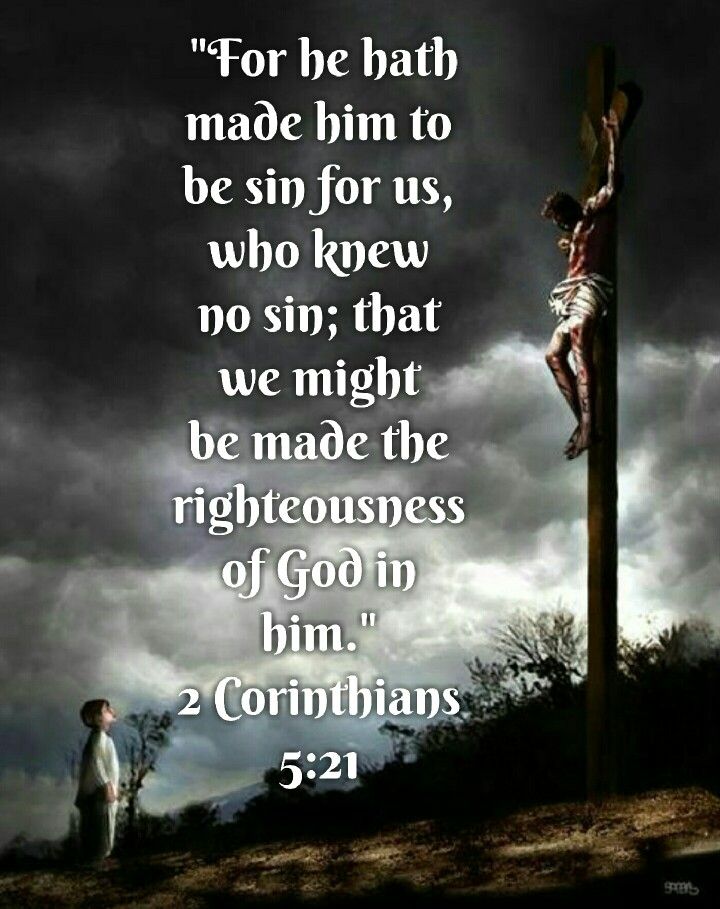
“For he hath made him to be sin for us, who knew no sin; that we might be made the righteousness of God in him.” 2 Corinthians 5:21
“But he was wounded for our transgressions, he was bruised for our iniquities: the chastisement of our peace was upon him; and with his stripes we are healed. 6 All we like sheep have gone astray; we have turned every one to his own way; and the LORD hath laid on him the iniquity of us all.” Isaiah 53:5-6
Doctrine doesn’t matter?
God’s Word says you are now lost if you do not continue in “the DOCTRINE of Christ” ….
“Whosoever transgresseth, and abideth not in the doctrine of Christ, hath not God. He that abideth in the doctrine of Christ, he hath both the Father and the Son.” 2 John 1:9
Those who will not see in Scripture, believe, and declare that Jesus Christ is the sinless Son of God, are not continuing in “the doctrine of Christ” – the doctrine, the teaching of Jesus in divinely inspired Holy Scripture (2 Timothy 3:16). And the Bible says they do not have God!
On the divine authority of God’s Word: If you will not believe and declare that Jesus Christ was sinless, you are not saved. You are not continuing “in the doctrine of Christ” and you do not have God.
On this topic, one writer notes:
“Bill Johnson’s statement is not new. I heard it repeatedly decades ago by popular and not so popular individuals in the Charismatic Movement.
The fact is, Christ was the perfect sacrificial Lamb. In accordance with the Law, Israel put the sins of the nation on a sacrificial lamb. It did not mean that lamb would become sinful, which would be impossible. It was done so that the lamb could pay sin’s price, which was death.
Likewise, it was impossible that Christ would become sinful by our sins being “laid” on him. If that occurred, then He would not have been the perfect and sinless Lamb. Thus, He could not have become the perfect sacrifice.
It was Gods intent that His sinless Son would pay a debt that He did not owe, but chose to accept.
He was an innocent man voluntarily dying for innumerable guilty people’s crimes. That is the glory of the Gospel. That did not make Him guilty—it made Him a sacrifice, the perfect sacrifice.”
ANY person who agrees with Satan’s lie that Jesus became a SINNER (instead of the sacrifice for sinners), is not saved. Note v 10
“For many deceivers are entered into the world, who confess not that Jesus Christ is come in the flesh. This is a deceiver and an antichrist. 8 Look to yourselves, that we lose not those things which we have wrought, but that we receive a full reward. 9 Whosoever transgresseth, and abideth not in the doctrine of Christ, hath not God. He that abideth in the doctrine of Christ, he hath both the Father and the Son. 10 If there come any unto you, and bring not this doctrine, receive him not into your house, neither bid him God speed: 11 For he that biddeth him God speed is partaker of his evil deeds.” 2 John 7-11
Scripture says that Jesus, who is divinely, eternally “just” died for “the unjust” – the wicked (us)! Jesus’ perfect sacrifice paid the full price for man’s sin (John 19:30). It is Finished!
“For Christ also hath once suffered for sins, THE JUST FOR THE UNJUST, that he might bring us to God, being put to death in the flesh, but quickened by the Spirit:” 1 Peter 3:18
Jesus died “that he might bring us to God.”
Jesus was the only sin-less man to ever walk the earth, the Messiah, the Lamb who was slain to redeem the fallen race, us, back to God.
“But we see Jesus, who was made a little lower than the angels for the suffering of death, crowned with glory and honour; that he by the grace of God should taste death for every man.” Hebrews 2:9
Word of Faith heretic Kenneth Hagin said:
“The death of Jesus Christ was not a physical death alone. If it had been a physical death, Abel would have paid the price for mankind. He was the first man that died because of honoring God and His Word. If it had been a physical death only, it wouldn’t have worked! And if He hadn’t died spiritually, that body never would have died.” (What Happened From the Cross to the Throne, Tape #00-0303)
“For Christ also hath once suffered for sins, the just for the unjust, that he might bring us to God, being put to death in the flesh, but quickened (made alive, raised up) by the Spirit.” 1 Peter 3:18
—- God’s Word tell us that God “hath made him (Christ) to be sin for us” and not that Jesus “became a sinner.” In fact, in the very next words, the Scripture reveals once again that Jesus is sinless – “who knew no sin.”
—- The Bible makes it clear that Jesus Christ is divine, God from all eternity past, and was born of a virgin and sinless (Matthew 1:21-23; Rev. 1:5, 8, 18). These are absolute essential tenETS of the Christian faith. In fact, Christ was the only sinless person to ever walk the earth (Isaiah 7:14; 9:6-7; 1 Tim. 3:16; 6:16; Hebrews 1:1-3; 4:15; 7:26, etc.). The only begotten Son of God is unique in all of history – He is simply matchless.
Jesus offered the perfect sacrifice as He alone could do – because He was unique in all of history, born of a virgin (Isaiah 7:14; Matthew 1:23). – Prophetically, the Holy Spirit through Isaiah foretold that Jesus “shall bear their iniquities.” (Isaiah 53:11) A sinless, perfect offering is the only sacrifice the Father could honor to satisfy the claims of His justice to redeem fallen mankind.
Jesus “bare the sin of many, and made intercession for the transgressors.” (Isaiah 53:12)
“It is finished” means “paid in full.” (John 19:30) The sin debt, the breach made by man separated Him from our God who is “Holy, holy, holy.” (Isaiah 6:3; Revelation 4:8) That debt was fully satisfied in the sacrifice of our LORD Jesus Christ, the ultimate price was paid to satisfy the claims of the Father’s justice to buy back/purchase mankind to Himself (Isaiah 53:11). He is “the Lamb of God, which taketh away the sin of the world.” (John 1:29)
Jesus Christ was “separate from sinners” – “For such an high priest became us, who is holy, harmless, undefiled, separate from sinners, and made higher than the heavens;” (Hebrews 7:26)
And why did God send His sinless, only begotten Son upon whom He laid all the sins of the whole world? – “that we might be made the righteousness of God in him.” (2 Corinthians 5:21) “And he is the propitiation (atoning sacrifice) for our sins: and not for ours only, but also for the sins of the whole world.” (1 John 2:2)
In fact, in this very passage we are told that “God was in Christ, reconciling the world unto himself, not imputing their trespasses unto them; and hath committed unto us the word of reconciliation.” (2 Corinthians 5:19)
“For he hath made him to be sin for us, who knew no sin; that we might be made the righteousness of God in him.” 2 Corinthians 5:21
Modern diabolical wolves make it all about us and not Jesus! Run!
Christology – the study of Christ – the grand Theme, the central Subject, Substance of the Scriptures (John 5:39-40, etc.).
If you will be planted deep into Christ, your Christology, your study of, your personal knowledge of Christ must be deep, not shallow (Colossians 2:6-10).
STOP for a moment and think with me …. There would be no Bible, no need for men to read God’s Word, if JESUS were not the central Theme of the whole Bible. Why? That would mean God would have terminated His creation project, His history with mankind, and so there would have been no need to redeem mankind by the sacrifice of His only begotten Son. But God, who “is love,” instituted His plan to redeem fallen man as soon as man sinned and fell (Genesis 3:15; John 3:16-17; 1 John 4:8, 16, etc.). There would be no need for a Bible for fallen man to read and find out about the Savior if God had ended the human race, right? Yet, He has carried out and is carrying out His divine plan of reconciliation, communicating through His Word, of which His only begotten Son, the eternal Word, is the Grand Subject, the Sacred Substance of the Scriptures (John 5:39-40; 2 Peter 1:19-21, etc.).
God’s Word does say that God “made him to be sin for us” which simply means God the Father put the sins of mankind on Jesus Christ in order to pay for the sins of the world. But of course it doesn’t mean (as the Word of Faith wolves teach) that Jesus become a sinner!
Christ was our scapegoat. This was the fulfillment of the prefiguring shown to us when the priests of God (Levites) would lay hands on the scapegoat – the goat of departure – and confess the sins of the people and send him off into the wilderness, amen Jesus! (Leviticus 16) Watch this picture closely friend:
“And Aaron shall lay both his hands upon the head of the live goat, and confess over him all the iniquities of the children of Israel, and all their transgressions in all their sins, putting them upon the head of the goat, and shall send him away by the hand of a fit man into the wilderness:” Leviticus 16:21
Jesus “knew NO sin.” (2 Corinthians 5:21)
Jesus Christ came in fulfillment of the Messianic prophecies that preceded him for hundreds of years. He was “the Lamb of God which taketh away the sin of the world” and as such of necessity, had to be spotless, sinless (John 1:29; Leviticus 16-17).
“He made him a sin offering, who knew no sin – A commendation peculiar to Christ. For us – Who knew no righteousness, who were inwardly and outwardly nothing but sin; who must have been consumed by the divine justice, had not this atonement been made for our sins. That we might be made the righteousness of God through him – Might through him be invested with that righteousness, first imputed to us, then implanted in us, which is in every sense the righteousness of God.” John Wesley
“For the life of the flesh is in the blood: and I have given it to you upon the altar to make an atonement for your souls: for it is the blood that maketh an atonement for the soul.” Leviticus 17:11
These animal sacrifices offered under the Old Covenant for the sins of God’s people merely prefigured that perfect sacrifice of Christ, the Messiah which was to come.
Jesus was the perfect Lamb – the unblemished Lamb of God. He was the perfect sin offering, not a sinner. Yet the Word of Faith movement teaches otherwise.
Heresy: According to Kenneth Copeland, Jesus had to “accept the sin nature of Satan.” (Kenneth Copeland, What Happened from the Cross to the Throne, side 2.)
“Nowhere in the Scripture does it say, God made Him to be a sinner’ but ‘He had made Him to be sin.’ This occurred by taking our place as a substitution. Contrary to Kenyon’s theology Jesus always was mortal in his human nature, and nowhere does Scripture say Satan became his master. God subject to Satan is not the teaching of the bible in any shape or form.” letusreason.org
Jesus of course, is “the Lamb of God, which TAKETH AWAY the sins of the world” in fulfillment of this illustration.
“The next day John seeth Jesus coming unto him, and saith, Behold the Lamb of God, which taketh away the sin of the world.” John 1:29
Isaiah 53
“Yet it pleased the LORD to bruise him; he hath put him to grief: when thou shalt make his soul an offering for sin, he shall see his seed, he shall prolong his days, and the pleasure of the LORD shall prosper in his hand. 11 He shall see of the travail of his soul, and shall be satisfied: by his knowledge shall my righteous servant justify many; for he shall bear their iniquities. 12 Therefore will I divide him a portion with the great, and he shall divide the spoil with the strong; because he hath poured out his soul unto death: and he was numbered with the transgressors; and he bare the sin of many, and made intercession for the transgressors.”
LET’S LEARN GOD’S WORD TOGETHER – ONE TRUTH AT A TIME: This message was sent out to each person who is on the Moments for My Master e-mail devotional list. In supplementation to your personal daily study of God’s Word, we would love to add you and have the privilege of nourishing your heart with God’s Word (Jn. 5:39; 1 Tim. 4:6, 16; Heb. 5:11-14; 1 Pet. 2:2). Sign up here.
Support | STORE | Podcasts | Christology | Be Ready in the Morning [podcast] | The Sure Mercies of David [podcast] | That Repentance and Remission of Sins should be Preached [podcast] | At His Feet
Was Jesus the “One and Only Son” OR the “Only Begotten Son”? [podcast]
Articles
A PLACE CALLED HELL [podcast]
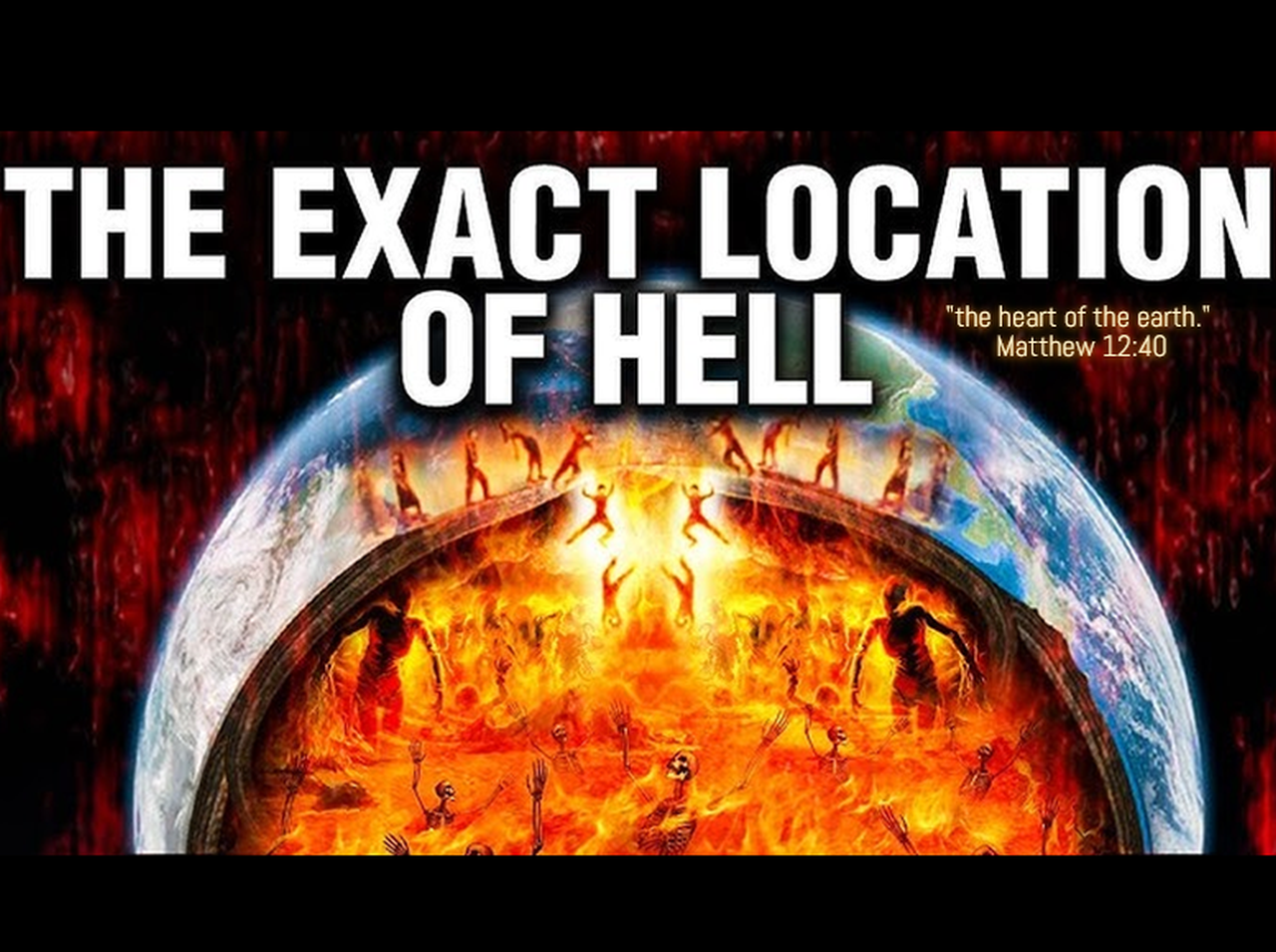
How does God’s Word describe hell?
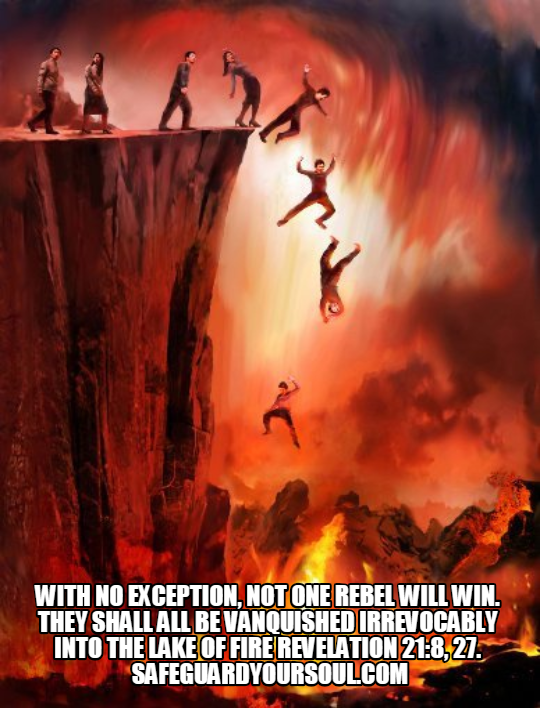
A PLACE CALLED HELL ….. Below is a detailed list of the unending realities of eternal damnation!
Hell is the ultimately judgment of God upon all who refuse to repent and receive Christ and therefore die in sin.
“Let death seize upon them, and let them GO DOWN quick (alive) into hell: for wickedness is in their dwellings, and among them.” Psalms 55:15
Details about hell revealed in God’s Word, the Bible:
- A place of complete consciousness (all feelings)…..Lk. 16:25
- Torment with fire and brimstone…………………………Rev. 14:10
- Weeping and gnashing of teeth……………………….…..Matt. 8:12
- A place of eternal remorse (devastating regret)…..Luke 16:25
- A place of torments…………………………………………..…Luke 16:23
- No rest day or night forever (eternal misery)……….Rev. 14:11
- A furnace of fire with wailing…………………………..….Matt. 13:42
- A place of everlasting burnings…………….…………..Isaiah 33:14
- A lake (ocean) of fire……………………………………..…….Rev. 20:15
- Unquenchable fire (ferocious flames)………..…….……Mark 9:45
- Outer darkness (blinding loneliness)………………….Matt. 22:13
- No 2nd chance to escape (utter hopelessness)……Luke 16:26
- A place of sorrows (seething remorse and despair)….Ps. 18:5
- A place of everlasting destruction……………………..2 Thess. 1:9
Even though sinful man is still looking for life on mars and the moon….. there’s only 3 places, locations that men exist:
“And no man in HEAVEN, nor in EARTH, neither UNDER THE EARTH, was able to open the book, neither to look thereon.” Revelation 5:3
1. “in heaven”
2. “in earth”
3. “under the earth” which is where hell is (Matthew 12:40).
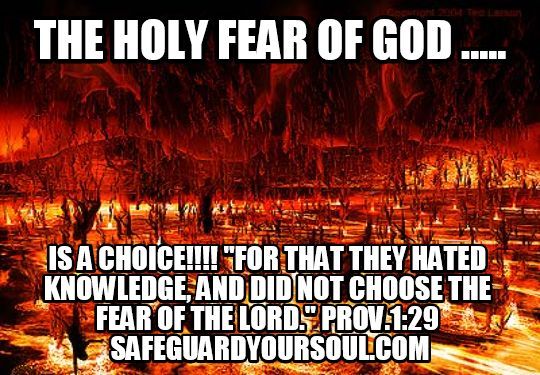
Jesus used the words “eternal damnation” to reveal to us that hell if forever, unending (Mark 3:29). The fires of eternal damnation shall feed upon the eternally conscious helpless souls of all who die in sin (Mark 9:43-49).
The reason people preach hell fire and brimstone is because they’re trying to save your eternal soul from hell fire and brimstone. Love!
PREACHING the biblical doctrine of hell, which is the eternal judgment of God, puts a fire behind believers, convicting them to forsake their lives in this world, to deny self, take up the cross and to follow Jesus, to press toward the mark for the high calling of God in Christ Jesus, to “lay aside every weight, and the sin which doth so easily beset us, and let us run with patience the race that is set before us, 2 Looking unto Jesus the author and finisher of our faith; who for the joy that was set before him endured the cross, despising the shame, and is set down at the right hand of the throne of God.” (Hebrews 12:1-2) Are YOU preaching hell – the eternal judgment of God in the domain of the damned reserved for all who die in sin? Please hit share. | Hell
“The way of life is above to the wise, that he may depart from hell beneath.” Proverbs 15:24
Heavenly Father, please grant to Your children an eternal perspective, in Jesus’ name. Amen dear LORD.
If you don’t think hell is divinely designed to be a loving deterent (motivator) from a merciful God, go read the words of the only Savior recorded in Mark 9:43-49 in the King James Bible. Satan’s new “bibles” removed this all-important passage.
ALL who don’t slow down, take the time to seek and listen to God’s Word, to hear His voice, will have all eternity in hell to burn in conscious misery, in utter fury and remorse to sulk on how they sinned away their day of grace. Going to hell is a choice. It’s irrevocable. There are no do-overs. If you sinned your whole life away, sinned away your day of grace, you will pay for your own sins in hell forever. If you reject the only sacrifice for your many sins – the blood of the LORD and Savior Jesus Christ – the domain of the damned will be your eternal abode. If you aren’t washed in the blood of Jesus and presently serving God, abiding in Christ, you are going straight to hell if you die today. …Don’t you dare share this, unless you want people to be saved…. from eternal hell.

“And in hell he lift up his eyes, being in torments, and seeth Abraham afar off, and Lazarus in his bosom.” Luke 16:23
“And the smoke of their torment ascendeth up for ever and ever: and they have no rest day nor night, who worship the beast and his image, and whosoever receiveth the mark of his name.” Revelation 14:11
“And these shall go away into everlasting punishment: but the righteous into life eternal.” Matthew 25:46
“The Lord is not slack concerning his promise, as some men count slackness; but is longsuffering to us-ward, not willing that any should perish (in hell), but that all should come to repentance.” 2 Peter 3:9
You soul is eternal and will be conscious for all eternity – either in the bliss and comfort of Heaven or in hell.
“For what shall it profit a man, if he shall gain the whole world, and lose his own soul? 37 Or what shall a man give in exchange for his soul?” Mark 8:36-37
What’s more important to you than the LORD? Who? What? What organization? What affiliation? What religion, religious affiliation? What family member? What friend? Is it really worth your eternal soul? Is Your Sin Really Worth Going to Hell for?
“So likewise, whosoever he be of you that forsaketh not all that he hath, he cannot be my disciple.” Luke 14:33
Denying that hell exists changes nothing….
MESSAGE RECEIVED:
“Rational and educated people realize that our sun will not last for ever and will self destruct at the end of it life. When that happens it will most likely also destroy all of the planets in our solar system. Sense Hell has always been considered to be located deep within the bowels of the Earth….yeah, right…. it too will be destroyed. So Hell really isn’t for ever. And you’re just making stuff up.”
REPLY:
Hell is forever. Jesus died for our sins. Rational and educated people know basic science reveals that a molten mass is in the middle of the earth which only confirms that God’s Word is truth. God’s Word repeatedly speaks of this reality.
How to be forgiven and saved:
“That if thou shalt confess with thy mouth the Lord Jesus, and shalt believe in thine heart that God hath raised him from the dead, thou shalt be saved. 10 For with the heart man believeth unto righteousness; and with the mouth confession is made unto salvation.” Romans 10:9-10
“For whosoever shall call upon the name of the Lord shall be saved.” Romans 10:13
ALL who seek to hide/cover their sins instead of repenting and forsaking them, will perish. (Proverbs 28:13).
“He that covereth his sins shall not prosper: but whoso confesseth and forsaketh them shall have mercy.” Proverbs 28:13
There are no “secrets” with God because He sees all.
“In the day when God shall judge the secrets of men by Jesus Christ according to my gospel.” Romans 2:16
“The secrets of men” are hidden from other men and yet nothing is hidden from God.
Support | STORE | Podcasts | Jail/Prison Ministry | Mexico Mission here | All Ministry Updates | Because You Care Page | The Greatest of these is Charity | Be Ready in the Morning [podcast] | The Sure Mercies of David [podcast] | That Repentance and Remission of Sins should be Preached [podcast] | At His Feet | Prepared to be Used of God | Walking with Jesus on His Stated Terms – the Cross | Fasting and Prayer | The Old Man Must be Put Down [podcast] | The 5 Sins That Keep God’s People Out of Their Promised Land [podcast] | What Did Paul Mean by “I Keep Under My Body”? [podcast] | “Jesus the Author and Finisher of our Faith” [podcast] | A Living Sacrifice unto God [podcast] | Departing from Hell Beneath | Prayer




Abiding
Following the Faith of Abraham [podcast]

“There failed not ought of any good thing which the LORD had spoken unto the house of Israel; ALL came to pass.” Joshua 21:45
The LORD Keeps His Promises to His People
God could trust Abraham:
“For I know him, that he will command his children and his household after him, and they shall keep the way of the LORD, to do justice and judgment; that the LORD may bring upon Abraham that which he hath spoken of him.” Genesis 18:19
Of Abraham who lived by faith, the LORD says “For I know him” and if we love God, like Abraham, we are known of the LORD also.
“But if any man love God, the same is known of him.” 1 Corinthians 8:3
Does the unchanging God ever tell His people to leave where they are and go to another place? Yes.
“Now the LORD had said unto Abram, Get thee out of thy country, and from thy kindred, and from thy father’s house, unto a land that I will shew thee: 2 And I will make of thee a great nation, and I will bless thee, and make thy name great; and thou shalt be a blessing: 3 And I will bless them that bless thee, and curse him that curseth thee: and in thee shall all families of the earth be blessed. 4 So Abram departed, as the LORD had spoken unto him…” Genesis 12:1-4
Abraham met the condition and God fulfilled His promise. Could the LORD have blessed Abraham had Abraham not trusted and obeyed Him?
“But without faith it is impossible to please him: for he that cometh to God must believe that he is, and that he is a rewarder of them that diligently seek him.” Hebrews 11:6
“The key is to say ‘Here I am.’ Abraham responded 3 times to God in Gen 22, when God called His name. It was an immediate response of obedience. Did he know exactly why God was calling him? No! It was the posture of his heart. Because of his faithful obedience the Lord knew Abraham was a God fearing man, who only cared about doing God’s will.” Karen Cochran
“And he believed in the Lord; and he counted it to him for righteousness.” Genesis 15:6
“And the scripture was fulfilled which saith, Abraham believed God, and it was imputed unto him for righteousness: and he was called the Friend of God.” James 2:23
“I have planted, Apollos watered; but God gave the increase. 7 So then neither is he that planteth any thing, neither he that watereth; but God that giveth the increase. 8 Now he that planteth and he that watereth are one: and every man shall receive his own reward according to his own labour. 9 For we are labourers together with God: ye are God’s husbandry, ye are God’s building.” 1 Corinthians 3:6-9
“By faith Abraham, when he was called to go out into a place which he should after receive for an inheritance, obeyed; and he went out, not knowing whither he went.” Hebrews 11:8
“And the apostles said unto the Lord, Increase our faith.” Luke 17:5
PRAYER: Heavenly Father, please forgive my unbelief, which is a sin. Please wash this heart afresh in Your precious blood dear LORD Jesus. Fill my heart with faith, with love, joy, and peace. Please order my every step and be glorified in this life You gave. In Jesus’ name. Amen.
Support | STORE | Podcasts | Jail/Prison Ministry | Mexico Mission here | All Ministry Updates | THE BLOOD OF JESUS | Blood Atonement | PEACE with GOD | Christology (the study of Christ) | Christ Crucified | Was Jesus the “One and Only Son”? [podcast] | The Remission of Sins | Prayer | Making Peace with God – Before it’s too late | The Return of Christ

Abiding
The Flesh will Never be Reformed it Must be Crucified [podcast]
The Divine Prescription is Clear and there are No Shortcuts
“And they that are Christ’s have crucified the flesh with the affections and lusts.” Galatians 5:24
The law brings repentance, salvation while thereafter the crucified life, the cross keeps us from that sin which once separated us from the LORD, who now has saved us (Psalms 19:7; Romans 6).
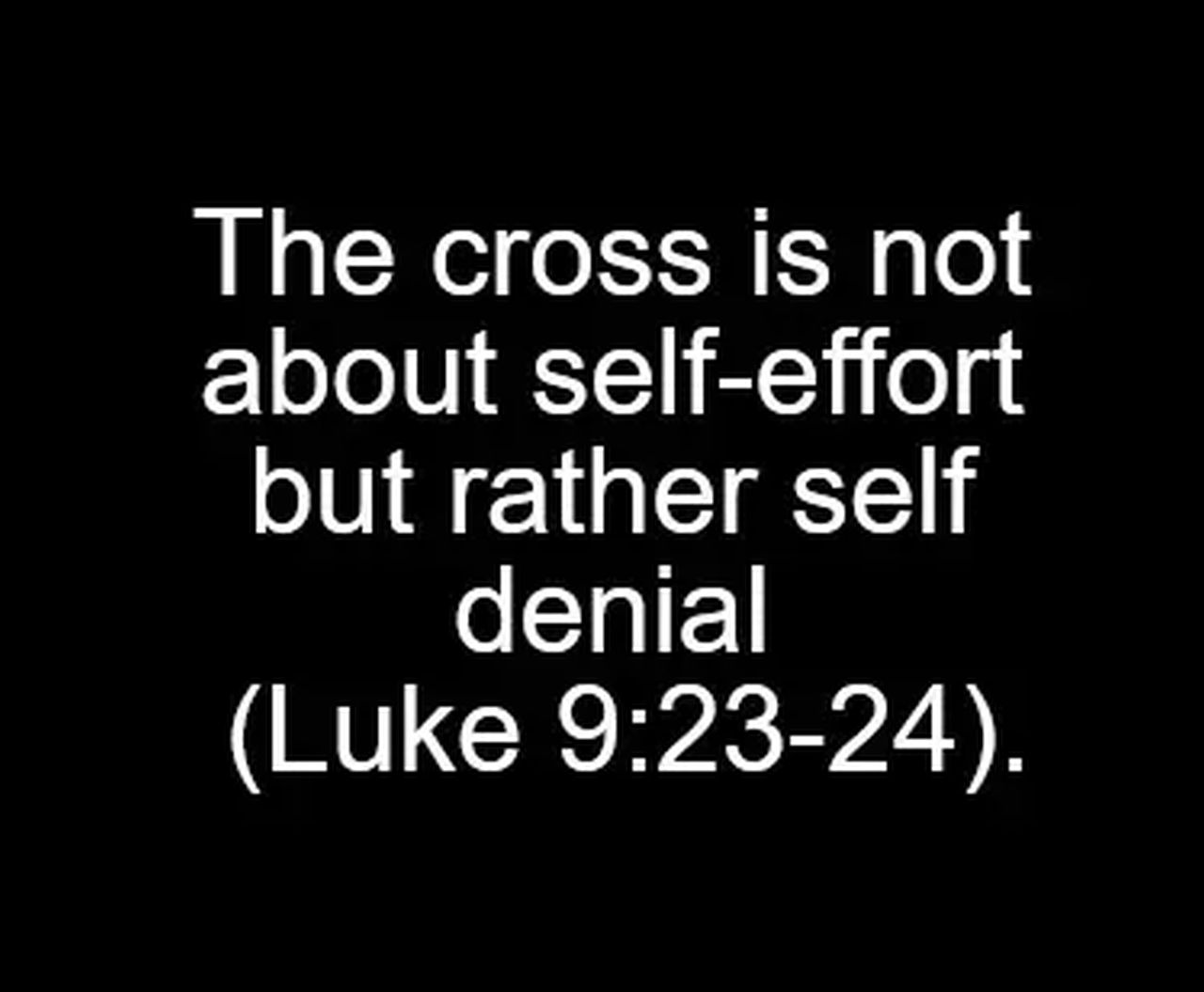
There are lots of people peddling the lie of “self care” which is ultimately nothing more than absolute selfishness. Pure evil. We need SAVIOR care! Such “self-care” only perpetuates the prey, the victim, in their misery. The only way to deal with the wicked iniquitous nature, is to crucify it, not pamper it (Luke 9:23-24). It’s your time to get into God’s Word and follow Jesus (KJB). Repent, deny yourself, lay down your life and serve God and others, not yourself. Loving your wicked self IS your problem and so all “self care” is accomplishing is to make your problem bigger, to fortify the evil within (Galatians 5:16-24). Crucifying that evil by the power of the Holy Spirit who is then raising your upward in His grace, glory, and power, is the divine prescription (Romans 8:13; Colossians 3:3, etc.). Read Philippians 2:3-5 each morning this week. Jesus commands you to love God. Worship God. Obey God (Matthew 22:37-39).
All whom Jesus has saved make a decision every day, including this day. All who were initially saved and yet aren’t searching out and taking up the cross daily, prove they do not love Him, even though they may claim such. Each of us prove who we really love by who reigns in our lives, and by who dies. See Matthew 6:24.
“Know ye not, that to whom ye yield yourselves servants to obey, his servants ye are to whom ye obey; whether of sin unto death, or of obedience unto righteousness?” Romans 6:16
WHO we yield ourselves to today, proves who we truly love – either the Savior or self.
“But we had the sentence of death in ourselves, that we should not trust in ourselves, but in God which raiseth the dead:” 2 Corinthians 1:9
We must declare and establish “the sentence of death in ourselves” so that our trust is in God who raised Christ from the dead and raises up all of His saints as they are crucified with Christ.
“I am crucified with Christ: nevertheless I live; yet not I, but Christ liveth in me: and the life which I now live in the flesh I live by the faith of the Son of God, who loved me, and gave himself for me.” Galatians 2:20
Tired of sinful self and wanting it out of your way? Here’s the divine prescription: “But I keep under (subdue) my body, and bring it into subjection: lest that by any means, when I have preached to others, I myself should be a castaway” (1 Corinthians 9:27).
The fact that Jesus is coming back for a church, a people who are holy, let us peer into what the Bible tells us concerning overcoming the flesh, sin (Romans 6-8).
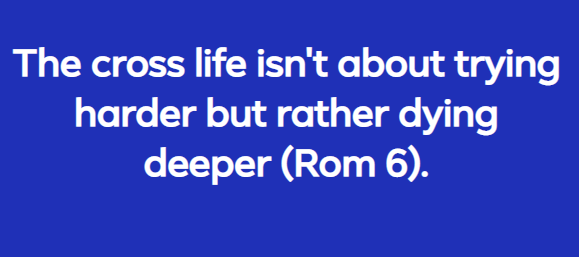
Jesus never said to try or try harder. no, Jesus says you must die to follow Him (Luke 9:23-24; John 12:23-25, etc.).
Jesus is sanctifying and cleansing by His Word a people, a church “a glorious church, not having spot, or wrinkle, or any such thing; but that it should be holy and without blemish” (Ephesians 5:25-27).

Times of fasting and prayer are doing yourself a favor and not God. Yes. You are crucifying self, getting self out of God’s way so that Christ is reigning in your life in place of sinful self! This should be viewed with absolute delight! (See Psalms 37:4; Hosea 6:6; Matthew 9:13, etc..) You are crying, you are driving a stake in the ground and declaring: “LORD, You must increase but I must decrease!” (See John 3:30.) That’s the “daily” operation of the cross God has ordained to be transpiring in our lives (Luke 9:23-24; 2 Corinthians 4:10-12; Galatians 2:20, etc.).
What’s your plan for a special time of fasting and prayer this week? There’s no mystery – you will not overcome the flesh, sin, without being crucified with Christ and there’s no better way than fasting and prayer. It’s the most direct route to being dead, buried, and raised up in the victory Christ alone can grant. Lay it all down, now. Memorize Colossians 3:3 and walk it out.
We simply can’t know just how deep we are buried in pride until we begin to obey God in fasting and prayer. Isaiah 58
Overcoming the flesh, walking in victory requires continually delighting in the LORD, worshipping Him “in spirit and in truth” (John 4:23-24).
“Seek the LORD and his strength, seek his face continually.” 1 Chronicles 16:11
HOW many of us know that the flesh is never going to behave itself, never going to be tamed …. until it’s slain by the cross, crucified?
The flesh IS going to rage, be bent toward and do evil. That’s a given (Romans 7). This is why the cross, the crucifying of the “old man” and putting on “the new man” are essential to God bringing the victory in our lives! (Romans 6-8; Ephesians 4:23-25; Colossians 3:5-10, etc.)
Doesn’t the fact that our flesh does not like the cross, only confirm the need for it? What are the “works of the flesh” that will separate a once saved Christian from God? (Galatians 5:16-21) Though it’s never heard in the apostate modern church world, Jesus commanded the cross in the life of each and every person who would follow Him (Luke 9:23-24). The fact that our flesh hates the cross in no way changes God and what He said concerning the severity in which we are to deal with the flesh, with sin – and the eternal damnation that awaits all who don’t crucify the deeds of the body (Mark 9:42-49; Romans 6; 2 Corinthians 7:1; 1 Peter 1:15-16; Revelation 21:8, 27, etc.). When’s the last time you read the words of Jesus recorded in Mark 9:42-49 and took Jesus at His Word? IF you truly love Him, you will obey Him (John 14:15).
God fully expects for His people to induce, to participate in the crucifixion of our flesh, putting the self-life to death (Isaiah 58; Matthew 6:16; 1 Corinthians 9:27; Galatians 2:20, etc.).
Holiness is not the way to Christ but rather Christ is the way to holiness. Abiding in Christ IS abiding holy – in the divine definition of holy. The key is that holiness is NOT the way to God but rather Christ is the way to holiness, His way, His definition – which is the daily cross (Luke 9:23-24). Abiding fellowship with Christ, on HIS terms, is holiness – being set apart to the LORD, in the LORD (Psalms 4:3; John 15).

Sin is man’s master until Christ is man’s Master (Matthew 6:24).
No one overcomes by accident. Those who love the LORD, truly, not just in mere profession, will seek Him diligently and obey Him and therefore are brought into His victory by Him (Matthew 7:21; 22:37-39; Titus 1:16; 1 John 2:3-6; Revelation 2-3, etc.). The disciple must truly repent and cease all excuses for the sin that displeases God and walk as “MORE than conquerors through him that loved us” (Romans 8:1, 5-6, 13-14; 37, etc.).
Jesus came from Heaven to earth and successfully confronted evil, sin, death, and the devil by going to the cross and defeating them! Read Colossians 2:14-15; Hebrews 2:14-15 and 1 John 3:8. In Christ, with Christ, we defeat death by dying, laying down our lives (Hebrews 2:14-15). And Jesus, who conquered death, hell, sin, Satan, and the grave, sends us to the cross – co-death with Him to defeat all of our sin and Satan also (Luke 9:23-24; Romans 6; 8:29, 37; 2 Corinthians 4:10-12, etc.). His precious blood alone atoned for our sins positionally, and yet to enforce that victory in defeating sin and Satan in our daily lives, Jesus prescribed to us the cross life (the practical).

The only thing we can do about this reality – about the iniquitous fleshly nature – is to crucify it (Galatians 5:16-24). There can be no negotiation.
“Likewise reckon ye also yourselves to be dead indeed unto sin, but alive unto God through Jesus Christ our Lord.” Romans 6:11
The one way to master sin is bow to Heaven’s Master and let Him master sin! The cross.
BECAUSE JESUS CHRIST ROSE AGAIN, ALL WHO ARE BORN AGAIN IN HIM ARE RAISED UP SPIRITUALLY IN THIS LIFE TO OVERCOME ALL SIN, SATAN, AND THE WORLD, AND WILL SOON be RAISED UP INTO ETERNAL GLORY WITH HEAVEN’S KING.
Rhetorical Question: What’s your fasting and prayer plan beloved? Your answer to this important, prompting question is before you and your LORD….
“I beseech you therefore, brethren, by the mercies of God, that ye present your bodies a living sacrifice, holy, acceptable unto God, which is your reasonable service. 2 And be not conformed to this world: but be ye transformed by the renewing of your mind, that ye may prove what is that good, and acceptable, and perfect, will of God.” Romans 12:1-2
You are not serious about overcoming sin if you’re not yet setting apart regular times of fasting and prayer. The fact that you don’t want to fast is the clear proof that you need to fast. Currently, your flesh is in control! Once you are broken, you will delight in, you will look forward to those times of regular fasting! Read Isaiah 58. | The Amazing Benefits of Fasting and Prayer
Times of Fasting and prayer get YOU out of the way so Jesus can reign supreme! Isaiah 58
“For if ye live after the flesh, ye shall die: but if ye through the Spirit do mortify the deeds of the body, ye shall live. 14 For as many as are led by the Spirit of God, they are the sons of God.” Romans 8:13-14

“He must increase but I must decrease.” John 3:30
FASTING IS STARVING THE FLESH AND FEEDING THE SPIRIT IN ORDER TO BE BROUGHT BY THE LORD INTO FULL ONENESS WITH HIM AND THE FATHER, AND INTO THE COMPLETE VICTORY AND FRUITFULNESS HE’S ORDAINED YOU TO WALK IN (ISAIAH 58).
Read Romans 6-8.
I am not a good person. Neither are you. “There is none righteous, no, not one” (Romans 3:10). Admit it. The Bible and our own failing experience in this life clearly reveal such to be the case. The sooner we become HONEST with that which is more than obvious, announcing freely and transparently that there is “no good thing” in us except CHRIST, the sooner God will begin a fresh, deeper work in us! See Romans 7:18, 24—the cross!
“For I know that in me (that is, in my flesh,) dwelleth no good thing: for to will is present with me; but how to perform that which is good I find not.” Romans 7:18
“Lie not one to another, seeing that ye have put off the old man with his deeds;” Colossians 3:9
The SINNER, the vile wretch I must first and foremost confront, is myself! See Job 19:28; Rom 7:18, 24; Ps 39:4-5 and Eccl 7:20. It’s essential to begin to understand the flesh, the fallen man, the iniquitous old man, in order to realize what we’ve been saved from and what must be crucified daily. The cross is God’s solution, His prescription to “put off the old man with his deeds.”
“That ye put off concerning the former conversation the old man, which is corrupt according to the deceitful lusts;” Ephesians 4:22
The cross subdues the flesh, it separates us from being held captive to the dictates of the old man, the carnal fallen nature.
The Root of the Matter is in Me! | The Daily Cross
Support | STORE | Podcasts | Jail/Prison Ministry | Mexico Mission here | All Ministry Updates | Because You Care Page | Bible/Word of God | The Greatest of these is Charity | Be Ready in the Morning [podcast] | The Sure Mercies of David [podcast] | That Repentance and Remission of Sins should be Preached [podcast] | At His Feet | Prepared to be Used of God | Grace and Truth Bible School [modules] | 7 Study Guides to a Greater Foundation in Christ | Knowing God | The Cross Life | Christology = the Study of Christ









A PLACE CALLED HELL [podcast]

Following the Faith of Abraham [podcast]

The Flesh will Never be Reformed it Must be Crucified [podcast]

Gospel Preached at Funeral of a Decorated United States Marine Officer in Mexico [podcast]

The High Treason of False Leaders [podcast]

Why Did God Give Us His Word? [podcast]

If it’s not the Word, it’s Waste [podcast]

Being Made Whole in Christ [podcast]

Mission Mexico Part 49

Beware of the Hebrew Roots Judaizing Snakes! [podcast]

Can and Will God Use You? [podcast]

The Highest Form of His Creation

Direction in God’s Word? [podcast]

The Name and Witness of Jesus Christ [podcast]

The Daily Cross in Prayer [podcast]
Why Did God Give Us His Word? [podcast]
Beware of the Hebrew Roots Judaizing Snakes! [podcast]

False Apostles Exposed!

SINLESS PERFECTIONISM: WHOSE Righteousness are You Trusting? [podcast]

Jesus Answered Questions with Questions [podcast]
The Highest Form of His Creation
The Flesh will Never be Reformed it Must be Crucified [podcast]
The High Treason of False Leaders [podcast]
Direction in God’s Word? [podcast]

Addiction’s Only Solution [podcast]
Can and Will God Use You? [podcast]
A PLACE CALLED HELL [podcast]

The Golden Rule Life: What’s that Really Mean? [podcast]
The Daily Cross in Prayer [podcast]

Should we Preach “Stop Sinning” or “Repent”?
A PLACE CALLED HELL [podcast]
Following the Faith of Abraham [podcast]
The Flesh will Never be Reformed it Must be Crucified [podcast]


 America2 years ago
The Drugging of America: The Pharmakeia Sorcery Deception [podcast]
- Articles3 years ago
Children being Rescued in Tunnels: Happening Now – UPDATE!
- Articles9 years ago
Self-Examination in Preparation for the Lord’s Return
- Apostasy3 years ago
SHOCKING List of False Prophets Most Believe are True