







Reconciling with God and other Saints
“He that turneth away his ear from hearing the law (the Word), even his prayer shall be abomination.” Proverbs 28:9
Those who do not love God enough to seek Him in the Word, to learn, and to obey Him, will not be heard by Him.
“He that covereth his sins shall not prosper: but whoso confesseth and forsaketh them shall have mercy.” Proverbs 28:13
In general, because God is “Holy, holy, holy,” when there is sin, God will not answer prayers – until the sinner repents and reconciles with the LORD and any person involved as needed (Isaiah 6:3; Revelation 4:8; Proverbs 28:9, etc.).
“And the LORD said unto Joshua, Get thee up; wherefore liest thou thus upon thy face? 11 Israel hath sinned …” Joshua 7:10-11
In other words, God said to Joshua “Why are you seeking My face, praying to me, talking to me, when there is sin in the camp? Get the sin our of the camp and then you can approach Me in prayer.”
STOP PRAYING AND LEAVE IT!
God is not going to bless our lives unless we are willing to sincerely admit our sins, repent and confess them, and make amends (restitution) with anyone we’ve harmed. In the divine economy, there’s no such thing as being right with God when you’ve done another person wrong, haven’t repented, and haven’t made amends for what you’ve done. Such a person will be outside of the will and blessings of God until he makes things right with God and man.
God is not hearing the prayers or worship of any person who has done someone else wrong and refuses to make restitution (Matthew 5:23-24).
“Therefore if thou bring thy gift to the altar, and there rememberest that thy brother hath aught against thee; Leave there thy gift before the altar, and go thy way; FIRST be reconciled to thy brother, and THEN come and offer thy gift.” Matthew 5:23-24
God will not answer the prayer of any person who does not honor and obey His Word and if a person has an outstanding offense He wants them to clear up these matters (Proverbs 28:9, 13).
Here Jesus gave us the instruction to stop praying! What!? Someone may be thinking “Todd, are you being sacrilegious now!? What is your problem brother!?” Keep reading okay.
“If I regard iniquity in my heart, the Lord will not hear me:” Psalms 66:18
“If ye abide in me, and my words abide in you, ye shall ask what ye will, and it shall be done unto you.” John 15:7
According to the Son of God, just when (if ever) should the believer stop praying? When he remembers that a brother has “aught against” him. Yes, I know this may raise eyebrows to say that Jesus told us to stop praying, but He certainly did. That’s what we read of His very words in Matthew 5.
He instructs us not to wait for the other person to come to you. Go to them and make peace. Work things out so that neither of your relationships with God will be in any way hindered. Forgive. Seek restitution and forgiveness. The Christian life is all about relationship – vertically first and them horizontally.
Jesus is saying here: “Stop praying or doing any form of worship until you have first done all you can possibly do to make peace with that person you had strife or misunderstanding with, offended, or wounded – the person that still has aught against you, whose heart isn’t yet clear in the matter. Your prayers and any form of supposed worship will not be honored in Heaven until you take care of this matter. Since I am holy I require certain things of you and one of them is that you do your best to keep unity with others, especially My people. Remember how I told you to love one another and to treat others as you wish to be treated? I love you and want clear communion with you and am simply not going to allow you to have a clear conscience until you work things out with that other person who has aught against you. Remember that though I love you, I care about others as much as I care about you. Get that human relationship right first and then come and seek My face in worship and we shall commune.”
God forgives us through Christ’s perfect sacrifice and as we choose to give it out to others! WHO might you have aught against in your heart today beloved?
As a believer, the LORD holds me personally accountable to facilitate reconciliation and peace in others when there is a rift and no matter whose fault it is (Matt. 5:23-24).
First and foremost we must realize that when we sin it is against the One who is “holy, holy, holy” (Isa. 6:3; Rev. 4:8). After that fact, we at times sin against or offend men (James 3:1). So, when we have wrongly offended someone who is created in the image of God, we should first confess that sin to the LORD and then do whatever it takes within our power to make it right with the person.
“Withhold not good from them to whom it is due, when it is in the power of thine hand to do it. 28 Say not unto thy neighbour, Go, and come again, and to morrow I will give; when thou hast it by thee.” Proverbs 3:27-28
“Wherefore putting away lying, speak every man truth with his neighbour: for we are members one of another. 26 Be ye angry, and sin not: let not the sun go down upon your wrath: 27 Neither give place to the devil.” Ephesians 4:25-27
Child of God, are you aware of anyone who might be upset with you for something you have done or they thought you did? Is anyone offended at you?
This writer is no stranger to wronging people, but is learning to follow this simple truth in Matthew 5, making sure to openly and transparently facilitate healing in those I have brought hurt to or who are offended at me for any legitimate reason.
Granted, we are going to offend people at times when it is not our fault. I am not talking about that. I am talking about when it is our fault or the situation is questionable or a close call.
Have you been offended? Have you ever found yourself in a situation where someone else held the key to your closure, your healing? Think back in your life: Have you ever needed someone else’s help in getting free in your heart from something concerning a situation?
Jesus called the divine Person of the Holy Spirit “the Comforter” (Jn. 14:26; 15:26; 16:7). God is all-powerful and can help us walk through a heart-rending ordeal where another person has hurt us and is unwilling to partake of the healing process according to the Word/instructions of the LORD. This He can and will do, yet He holds that other person responsible for doing their part – “Leave there thy gift before the altar – FIRST be reconciled to thy brother.”
Those made righteous by the blood of Christ are to do all in their power to facilitate healing in others.
“If it be possible, as much as lieth in you, live peaceably with all men.” Romans 12:18
Jesus Christ came to make captives free and such freedom is the desire of all who follow Him. They desire also to see people set free and do their part when it is in the power of their hand to help (Prov. 3:27).
“Bear ye one another’s burdens, and so fulfil the law of Christ.” Galatians 6:2
When need be, we are to work hard to make sure God’s peace abides among the saints.
“Endeavouring (working hard) to keep the unity of the Spirit in the bond of peace.” Ephesians 4:3
“Endeavouring” – it’s hard work at times to keep unity in the body. Have you noticed that things happen that need attention, patience, humility, admission where wrong has been done, etc.?
It is our personal responsibility to keep schisms out of Christ’s body as much as it is in our power.
“That there should be no schism in the body; but that the members should have the same care one for another. And whether one member suffer, all the members suffer with it; or one member be honoured, all the members rejoice with it. Now ye are the body of Christ, and members in particular.” 1 Corinthians 12:25-27
The LORD promises us that He commands His precious peace where brethren dwell together in unity.
“Behold, how good and how pleasant it is for brethren to dwell together in unity! It is like the precious ointment upon the head, that ran down upon the beard, even Aaron’s beard: that went down to the skirts of his garments; As the dew of Hermon, and as the dew that descended upon the mountains of Zion: for there (in the unity of believers) the LORD commanded the blessing, even life for evermore.” Psalms 133:1-3
The person who is truly born again cares for the body of Christ. Peace among the saints is where God’s blessing abides.
“We know that we have passed from death unto life (we know we are saved), BECAUSE we love the brethren.” 1 John 3:14
Without love we are nothing (1 Cor. 13). Divine love, authentically demonstrated in our lives, is the earmark fruit of the Heaven-bound disciple. There are no exceptions – “He that loveth not knoweth not God” (1 Jn. 4:8). If such charitable love does not presently appear in our lives, we should consider going before the throne of grace and making things right with God (repentance). The genuinely born again person is filled with God’s love and teachable in the precepts of the LORD. When he discovers a previously unknown (to him) truth, he swiftly hearkens and obeys. Remember, God’s eternal kingdom and the terms for entrance into it are based on the LORD’s terms and not any individual’s. Either we meet the terms and conditions or we shall be found without (Matt. 7:21-23; Lk. 6:46-49; 13:24-30; 1 Jn. 2:3-5; Rev. 2-3).
“We know that we have passed from death unto life (we know we are saved – been brought from spiritual death to spiritual life), BECAUSE we love the brethren. He that loveth not his brother abideth in death. Whosoever hateth his brother is a murderer: and ye know that no murderer hath eternal life abiding in him. Hereby perceive we the love of God, because he laid down his life for us: and we ought to lay down our lives for the brethren.” 1 John 3:14-16
Child of God, do you have a key that would help another get free? If you possess the key that would assist in obtaining their freedom, the LORD holds you personally responsible to use it to help unlock that person’s heart and assist in their returning to a heart that is right with God, free from anything that hinders that relationship.
“Be ye angry, and sin not: let not the sun go down upon your wrath.” Ephesians 4:26
Don’t let the sun go down upon that which you can do to cause reconciliation in Christ’s body for which He bled. Leave your prayer closet and any and all worship and go get things right with that person the LORD may be placing on your heart. You will be glad you obeyed the LORD in this.
You see, if we truly have an intimate and saving relationship with Christ, we realize that nothing could be more important to us – and others. Knowing Jesus is everything. Armed with this knowledge and moved upon by the Holy Spirit, we are to be compelled to help others in their relationship with Jesus in any way we possibly can.
PRAYER: Father in Heaven, thank You for sending Your only begotten Son Jesus to live and die for me – for all of my many sins. This moment, I turn my life to Thee O God – asking Your merciful forgiveness on my sin of departing from You. Right this instant I ask You to please be my first love LORD Jesus! Bless this heart with sensitivity and a deep conviction for Your truth. Please allow this heart to have godly conviction! Please bless this life You graciously gave lift others to You and help them in any and every way I have opportunity. I am all Yours and You are all mine my LORD. Quicken my heart in any matter that You wish me to make amends with another person. Right now I now humble myself under Your mighty hand and ask You to use me to help facilitate peace between You and others Jesus, and in Your body. Please bless Your body to live in Your love, and Your truth and in peace with You and one another. In the name of Jesus Christ, Amen.
For a topical study of deeper proportions on this subject, see The Blood of Jesus.
If you truly desire to know more about how to really know the LORD, go here: Born Again: What is It?
Support | STORE | Podcasts | The Return of Christ | Stewardship | Where to Give and Where Not to Give | Fruit Abounding to Your Account! | Victory in Jesus | Discipleship | The Glorious Grace of God | The Restoring Love of Our God | God’s Mercy | Spiritual Warfare | Justification | Grace and Good Works [podcast]



Abiding
The Joy of God’s Word [podcast]

“Thy words were found, and I did eat them; and thy word was unto me the joy and rejoicing of mine heart: for I am called by thy name, O LORD God of hosts.” Jeremiah 15:16
“Thou through thy commandments hast made me wiser than mine enemies: for they are ever with me.” Psalms 119:89
“So shall my word be that goeth forth out of my mouth: it shall not return unto me void, but it shall accomplish that which I please, and it shall prosper in the thing whereto I sent it.” Isaiah 55:11
PRAYER: Heavenly Father please match and exceed every trial You allow me to go through with Your joy! For You said that the joy of the LORD is my strength! In Jesus’ name. Amen.
Support | STORE | Podcasts | Jail/Prison Ministry | Mexico Mission here | All Ministry Updates | Purifying Ourselves as He is Pure [podcast] | 10 Clues Your Love for God is Waxing Cold [podcast]

Audios
Current Events and the Name of Jesus Christ [podcast]
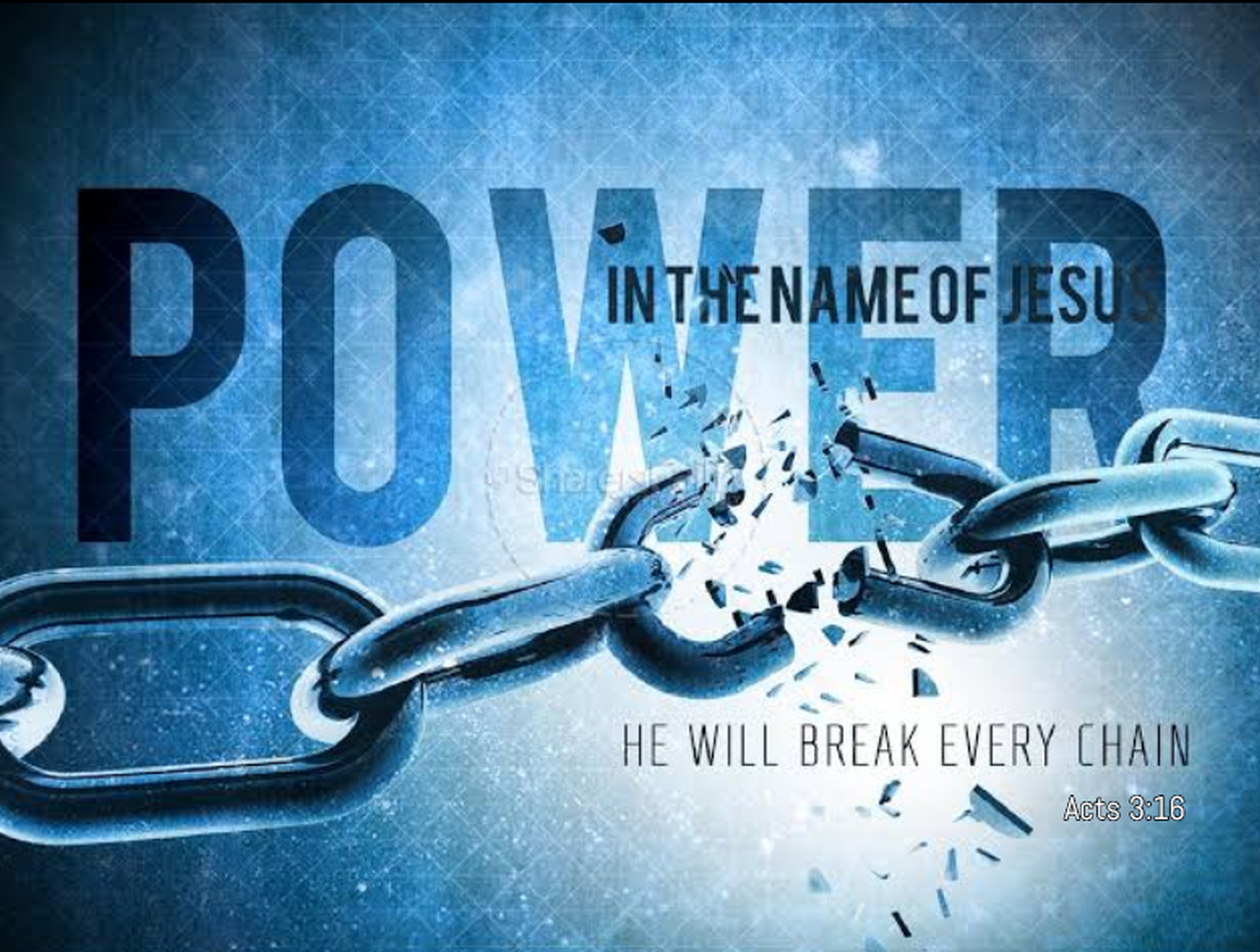
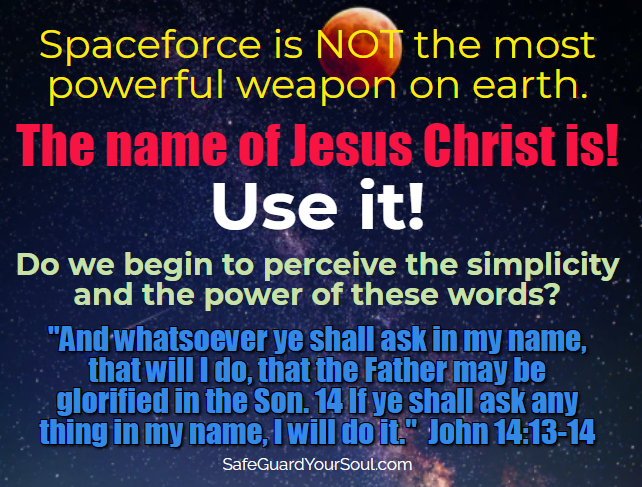
“And whatsoever ye shall ask in my name, that will I do, that the Father may be glorified in the Son. 14 If ye shall ask any thing in my name, I will do it.” John 14:13-14
IF we are praying God’s WORD in the name of JESUS CHRIST…. in His bless-ed humility, God is answering!
I don’t think we begin to realize the power that is in the name of Jesus Christ – and available exclusively to those who are HIS.
Memorize the word of our LORD Jesus recorded in John 14:13-14.
“I tell you, Nay: but, except ye repent, ye shall all likewise perish.” Luke 13:3
One commentator notes: “The universal fascination with knowing what is going on in the world has ancient roots. Knowing that Jesus is a well-known rabbi, some ask for his take on the hot news of the day. “There were some present at that very time who told him about the Galileans whose blood Pilate had mingled with their sacrifices” (Luke 13:1). Pilate, the governor, has executed some Jews while they were in the act of offering their sacrifices, mingling their blood with the animal blood. Jewish sentiment is likely strongly against Pilate, although some seem to be critical of the people who have suffered. Maybe they deserved it.”
Support | STORE | Podcasts | Because You Care Page | The Greatest of these is Charity | Be Ready in the Morning [podcast] | The Sure Mercies of David [podcast] | That Repentance and Remission of Sins should be Preached [podcast] | At His Feet | Prepared to be Used of God | Waste | Stewardship | Giving | Let Him be Your Fear [podcast] | Why We Need Not Fear Death | Fear Not Little Flock | The Glorious Church Jesus is Returning For [podcast]




Articles
The Golden Rule Life: What’s that Really Mean? [podcast]

Thinking, Knowing, Applying, and Doing the Golden Rule of Jesus
Golden Rule living is the only way to live in glorification of our Maker. Spread this word. God calls you, yes you – to love Him supremely and to love your neighbor as you wish to be loved, treated (Matthew 7:12; 22:37-40; Philippians 2:3-5).
We must teach ourselves, our children and those around us the Golden Rule. “Therefore all things whatsoever ye would that men should do to you, do ye even so to them: for this is the law and the prophets” (Matthew 7:12). Jesus is coming.
“Golden Rule, precept in the Gospel of Matthew (7:12): ‘In everything, do to others what you would have them do to you. . . .’ This rule of conduct is a summary of the Christian’s duty to his neighbour and states a fundamental ethical principle.” Unknown
Taken from the teachings of Jesus, the Golden Rule is summed up as ”treating others how you want to be treated” or, ”doing unto others as you would have them do unto you.”
WELCOME TO THE LAST DAYS! The self-worshiping false gospel being taught by the enemies of the cross of Christ is epidemic these days as was foretold (Philippians 3:18-19; 1 Timothy 4:1-3; 2 Timothy 3:1-8; 4:2-5, etc.). Beware of the self-love they are teaching. It’s the “What’s in it for me” gospel of self-love. THIS CAUSES THEIR PREY TO WALK IN SELF-SERVING HATRED, MALICE, STRIFE, ETC., NOT GOD’S LOVE.
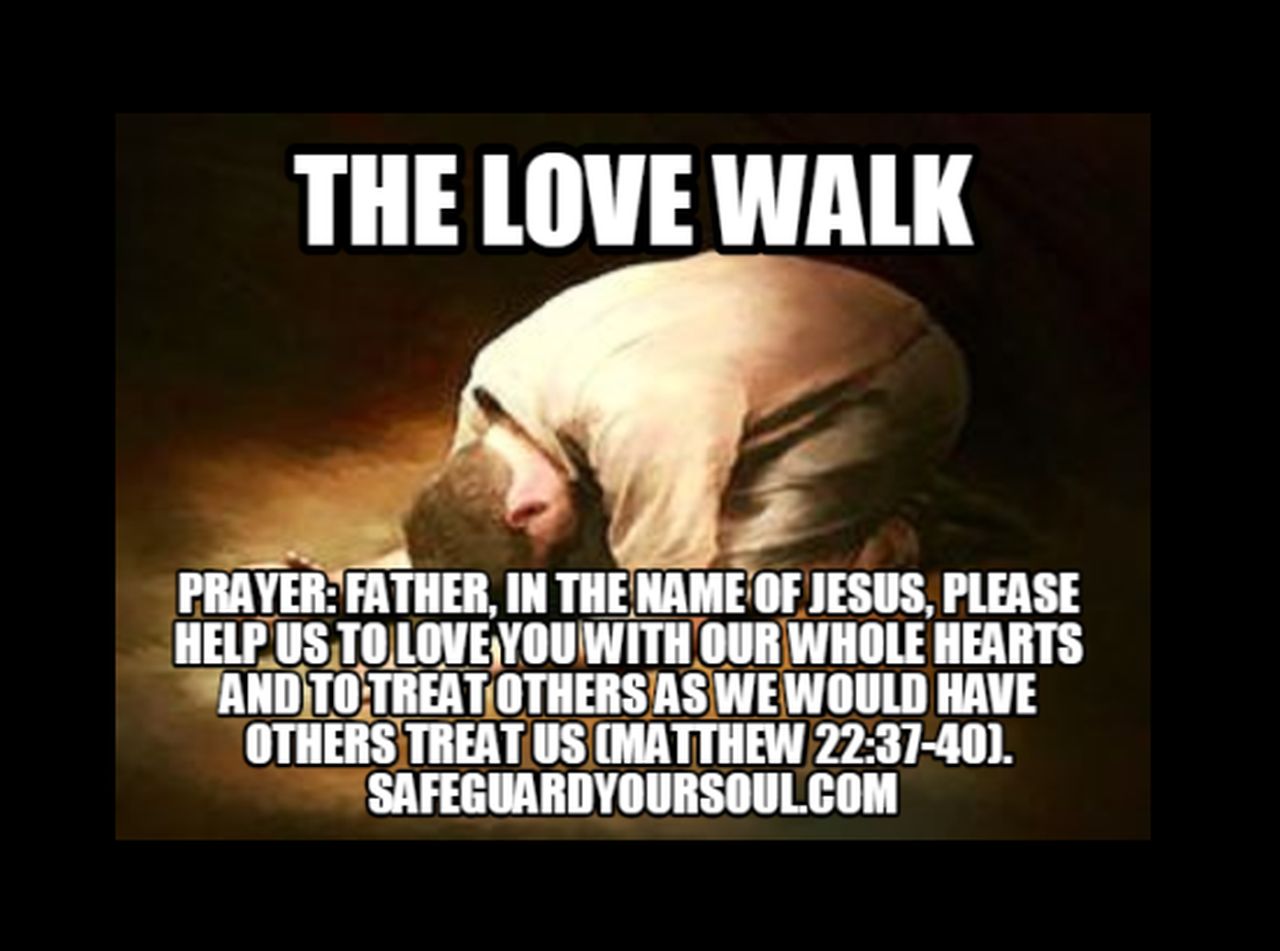
SOBERING! DO WE REALLY GET IT? Are you omitting love, charitable acts? How are you treating Christ’s body and servants? Ready to meet Jesus today? The way you are treating His body is the exact way you are treating Jesus (Matthew 25:40-41, 46).
The way we are treating others is the exact way we are treating Jesus – who created, died for, and rose again from the dead to save those people! If our relationship with Christ isn’t translating into the love of God filling us for others, we’re departed from Him and in need of swift repentance. Matt 7:12; 22:37-39
“And the King shall answer and say unto them, Verily I say unto you, Inasmuch as ye have done it unto one of the least of these my brethren, ye have done it unto me.” Matthew 25:40
“The way we treat others sets the standard of how we will be treated by God. And this includes receiving God’s gifts! Amen.” C.
If you aren’t respecting someone, you aren’t walking in God’s love toward them. Golden Rule (Matthew 7:12). Didn’t the LORD command us to treat others BETTER than ourselves (Philippians 2:3-5)? Would you like to be treated the way you are treating that person? Others?
“Treat others the way you want to be treated.” V.
Would you like to be treated the way you’re treating others? Golden Rule! Live it! Would you like to be neglected or inflicted as others have done to you?
Are you elevating other people ABOVE – “BETTER than” – yourself? This is the very “mind of Christ.”
“Let nothing be done through strife or vainglory; but in lowliness of mind let each esteem other better than themselves. 4 Look not every man on his own things, but every man also on the things of others. 5 Let this mind be in you, which was also in Christ Jesus:” Philippians 2:3-5
THINKING, Applying, and Doing the Golden Rule of Jesus
Don’t want something done to you? Then don’t do it to someone else. Don’t want something thought about you? Then why think such about another person, especially if it’s not proven? Read Exodus 23:1-2. Don’t want something said about you (slander)? Then why believe the sowing of discord among the brethren which is an “abomination” to the LORD and the work of Satan himself, the accuser of Christ’s brethren (Proverbs 6:16-19; Revelation 12:10) …. MEASURE THIS!
Do you truly care for people or do you only care about what they can do for you?
This must be examined in each of our hearts.
If we care only about what others can do for us, we are Christ-less and should immediately seek Him in repentance and confession of our sins. He came and died for you and me with no guarantee we’d receive Him or with any other motive but to love us by paying the full price to redeem us from our sins in which we were otherwise hopelessly cemented.
“And hope maketh not ashamed; because the love of God is shed abroad in our hearts by the Holy Ghost which is given unto us. 6 For when we were yet without strength, in due time Christ died for the ungodly. 7 For scarcely for a righteous man will one die: yet peradventure for a good man some would even dare to die.” Romans 5:6-8
Instead of asking: “What’s in it for me,” we should always ask: “What’s in it for Jesus and others?”
Contrary to what we have been led to believe, we get NO “points” from God for “going to church” or for having a good record of “church attendance.” If this is true – and it sure is – why are we wasting precious time doing things God never told us to do while we leave the things He commanded us to do undone? How long shall we live outside of His will and yet still claim to be following Jesus – who gave all (John 15:13)? How long shall we allow the hirelings to exploit us with their weekly program that has never produced an ounce of discipleship in us? The divine command to “LOVE one another” appears 12 times in the New Testament. Do we truly LOVE our neighbor as ourselves? If so, then, like the earliest of Christ’s disciples, we do not consider that what we have in our possession is our own. Read, follow, and do Acts 2:44-45; 4:32-35. Why should I have two coats when my brother or sister has none? …… Selah!
The ultimate expression of the Golden Rule was performed by the One who gave that Golden Rule.
“Greater love hath no man than this, that a man lay down his life for his friends.” John 15:13
He who owed no debt to us, chose to pay the debt He did not owe – the debt we owed and could not pay. Sinners can’t redeem (pay the price) for sinners – only a perfect Savior could do that (Isaiah 53)! No man on earth was found qualified to redeem mankind but God sent His prophesied Savior, the very Son of God (Genesis 3:15; Ezekiel 22:30; John 3:16). | Redemption Through Sacrifice
Jesus Christ, the eternal God, came to the earth in fulfillment of over 300 Jewish prophecies, born of a virgin, to show us His Father’s love and to die the death that would redeem mankind. That is, the price for our sins was fully paid and whosoever will, can “Come and take of the water of life freely” (Revelation 22:17). The LORD still saves all who repent and receive Him as LORD and Savior (John 1:12; Romans 10:9-13). Read John 1 today.
THE GOLDEN RULE is Simple: Think about This – Do you want something believed or said or done to you that you are tempted to do to someone else? If not, then drop it and do not think it or do it toward another. Stop and pray for that person. This is exactly what Jesus told us to do and the disposition He desires us to have as of Him and His Father – love (Matthew 5:44-48).
“But I say unto you, Love your enemies, bless them that curse you, do good to them that hate you, and pray for them which despitefully use you, and persecute you;” Matthew 5:44
- “Love your enemies”
- “bless them that curse you”
- “do good to them that hate you”
- “pray for them which despitefully use you, and persecute you”
Read Matthew 5:44-48 prayerfully, asking the LORD to make it manifest in your heart, thinking, and life.
“Therefore all things whatsoever ye would that men should do to you, do ye even so to them: for this is the law and the prophets.” Matthew 7:12
So, according to the One who gave us “The Golden Rule” (as we call it), what is the Golden Rule? Read and begin to memorize and incorporate the above verse of truth into your everyday thinking.
“The golden rule always should apply to every life! TREAT OTHERS THE WAY YOU WANT TO BE TREATED! This world would be a much better place to live!” K.
EVER been used? EVER been exploited by someone? WHAT did Jesus instruct, command us to do when we are used?
“But I say unto you, Love your enemies, bless them that curse you, do good to them that hate you, and pray for them which despitefully use you, and persecute you;” Matthew 5:44
What’s going to happen to those who maliciously wrong another? A curse is coming on that person and their household:
 “Whoso rewardeth evil for good, evil shall not depart from his house.” Proverbs 17:13
According to the divine pronouncement above, rewarding evil to someone who did you nothing but good (never harmed you), brings a curse.
The cardinal fruit of knowing God is love.
“He that loveth not, knoweth not God.” 1 John 4:8
GOD is interested in FRUIT and fruit only comes from a ROOTED abiding relationship with Jesus (Matthew 3:7-10; John 15, etc.)!
Any questions?
If you do not have God’s love manifesting in your thoughts and actions, it’s because you do not know Him. Read 1 Corinthians 13 every day this week and ask the LORD to make every bit of it a reality in your life.
“Let nothing be done through strife or vainglory; but in lowliness of mind let each esteem other better than themselves. 4 Look not every man on his own things, but every man also on the things of others. 5 Let this mind be in you, which was also in Christ Jesus: 6 Who, being in the form of God, thought it not robbery to be equal with God: 7 But made himself of no reputation, and took upon him the form of a servant, and was made in the likeness of men: 8 And being found in fashion as a man, he humbled himself, and became obedient unto death, even the death of the cross.” Philippians 2:3-8
Golden Rule Living is following Christ – the example He set when He “came NOT to be ministered unto (be served), but to minister (serve), and to give his life a ransom for many” (Matthew 20:28). WHOSE interests are you living for? Your own or Christs, and therefore His people? Do you realize that if you neglect those around you in need you are neglecting and affronting Jesus (Matthew 25:40-46)? Do you realize that you and I will be judged according to this exact measure and rule?
Just WHAT does preferring others ABOVE ourselves mean? How does that work itself out in our daily lives?
Are you living according to Christ’s teachings, OR, are you deceived into thinking you are following Him who is the only way to Heaven while setting aside, neglecting, and even shunning what He taught? Check out Mark 8:38; John 14:15, 21; Titus 1:16; 1 John 2:3-6. If I am to love my neighbor “as myself” (equally) and even prefer others “BETTER THAN” myself, why would I keep two houses when I knew another member of Christ’s body was without a home? WHY would I keep earthly investments or items that could be sold and the money given to those in need? I simply wouldn’t. The same goes for other possessions and money. Compare your Christianity to the earliest believers in Christ to see if you are authentic. Read Acts 2:44-45; 4:32-35.
The earliest disciples of Jesus were living according to His Word. They were preferring other believers “BETTER THAN themselves” (Golden Rule; Philippians 2:3-5). As true disciples of Jesus, they were naturally doing unto others as they would have them do to themselves if they were in the same need or situation.
Applying the Golden Rule in Your Thoughts and Attitudes Towards Others
“And oppress not the widow, nor the fatherless, the stranger, nor the poor; and let none of you imagine evil against his brother in your heart.” Zechariah 7:10
Notice: “let none of you imagine evil against his brother in your heart.” When your iniquitous, condemning fleshly mind, or Satan, tempts you to “imagine evil against” your brother or sister in Christ, what should you do? Read the above verse again, write it on an index card, and live by it. This qualifies exactly what Paul meant when he spoke of divine charity and its place in our lives. He stated that when we are walking in God’s love, it “thinketh no evil” inside of us, His vessels and dwelling place (1 Corinthians 13). In other words, love thinks nor concludes “no evil” against any person until it’s actually proven, and then, it shows mercy even as we are so personally and desperately in need of divine mercy – moment to moment (Titus 3:3-7; Jude 21).
“Keep yourselves in the love of God, looking for the mercy of our Lord Jesus Christ unto eternal life.” Jude 21
“Imagining evil in your heart sounded foreign until I came to recognize how wretched our sins are. I pray for forgiveness when I am thinking in a wrong way. We are supposed to be forgiving and merciful to others, not having feet that are swift to do mischief.” Dana R.
The Two Great Commandments
“Jesus said unto him, Thou shalt love the Lord thy God with all thy heart, and with all thy soul, and with all thy mind. 38 This is the first and great commandment. 39 And the second is like unto it, Thou shalt love thy neighbour as thyself. 40 On these two commandments hang all the law and the prophets.” Matthew 22:37-40
1. “Thou shalt love the Lord thy God with all thy heart, and with all thy soul, and with all thy mind”
2. “Thou shalt love thy neighbour as thyself”
Any person claiming to be a Christian – a follower of Christ – who does not have loving God and loving others as their highest priorities, is completely misled and deceived.
The Greatest of These is What?
“And now abideth faith, hope, charity, these three; but the greatest of these is charity.” 1 Corinthians 13:13
GOD PLACES the highest premium and priority on love and if you don’t, you simply do not yet understand Him nor His kingdom. Cry out to Him in confession and repentance to open the eyes of your understanding. Whatever you do, make this the priority of your life – loving God and all others – above yourself. Pouring over Philippians 2:3-5 each morning is a daily kingdom recalibration!
Pass This On.
Do you want to get deeper into God’s Word? If so, send a reply requesting the Moments with My Master email that is sent out.
Feedback:
“That is a wealth of wisdom. Usually I get laughed at for being too gullible. But that’s okay, I’d rather give a person the benefit of the doubt, unless they keep arguing over obvious scriptural passages, then I just pray for their eyes to open! So many who follow these Wolves in Sheep’s Clothing! I never want to be that gullible!” Diana M.
Support | STORE | Podcasts | Christology | Be Ready in the Morning [podcast] | The Sure Mercies of David [podcast] | That Repentance and Remission of Sins should be Preached [podcast] | At His Feet










The Joy of God’s Word [podcast]

Current Events and the Name of Jesus Christ [podcast]

The Golden Rule Life: What’s that Really Mean? [podcast]

False Apostles Exposed!

Addiction’s Only Solution [podcast]

SINLESS PERFECTIONISM: WHOSE Righteousness are You Trusting? [podcast]

Jesus Answered Questions with Questions [podcast]

Should we Preach “Stop Sinning” or “Repent”?

Mission Mexico Part 48

America is Under Divine Judgment [podcast]

A Word of Encouragement on Ministering to Others

Recovering Biblical Womanhood [podcast]

Either Crucify the Flesh or it will Crucify Christ out of Your Life [podcast]

“And this Gospel of the Kingdom shall be Preached in all the World” [podcast]

Jesus Promised Judas an Eternal Throne in Heaven but He Chose to go to Hell #shorts [video]

Jesus Paid it All [podcast]

THE AMERICAN DREAM DELUSION: Are You a “Dream Chaser” or a Jesus Seeker? [podcast]

Are Tongues Demonic? [podcast]
False Apostles Exposed!
SINLESS PERFECTIONISM: WHOSE Righteousness are You Trusting? [podcast]
Jesus Answered Questions with Questions [podcast]

Obedience or Love – Which is Most Important? [podcast]
Addiction’s Only Solution [podcast]

Deliverance from Works-Righteousness or Law-Keeping
The Golden Rule Life: What’s that Really Mean? [podcast]
Should we Preach “Stop Sinning” or “Repent”?

The Majestic Eternal Word [podcast]

“THE FORMER SHALL NOT BE REMEMBERED, NOR COME INTO MIND” [podcast]
A Word of Encouragement on Ministering to Others
Current Events and the Name of Jesus Christ [podcast]
The Joy of God’s Word [podcast]
Current Events and the Name of Jesus Christ [podcast]
The Golden Rule Life: What’s that Really Mean? [podcast]


 America2 years ago
The Drugging of America: The Pharmakeia Sorcery Deception [podcast]
- Articles3 years ago
Children being Rescued in Tunnels: Happening Now – UPDATE!
- Articles8 years ago
Self-Examination in Preparation for the Lord’s Return
- Apostasy3 years ago
SHOCKING List of False Prophets Most Believe are True