






“To every thing there is a season, and a time to every purpose under the heaven … A time to weep, and a time to laugh; a time to mourn, and a time to dance;” Ecclesiastes 3:1, 4
“A time to weep (death, burial),
and a time to laugh (resurrection);
a time to mourn (death, burial),
and a time to dance (resurrection);”
 Though we don’t initial or dictate those seasons, we do participate with the One who does, the LORD who is in control.
A breaking down followed by a building up is the rhythm of the cross in our lives – and as it was in the case of our LORD, it’s the cross which will always precede the resurrection victory (John 12:24; Hebrews 2:14-15, etc.).
We can be fully assured that as we lay down our life, Christ who is “the resurrection and the life,” will reciprocally raise it up for His glory (John 11:25; 2 Corinthians 4:10-12).
This is how we walk with the LORD and there’s no other way. Remember this as you scratch your head the next time you hear yet another cross-less sermon on coping, relegating the believer to a life of defeat. When we taste and see this cross life, we shall be blessed to see that as we die downward, that guarantees that Christ will raise us upward. With our brother Paul, we shall declare “but we glory in tribulations also: knowing that tribulation worketh patience; 4 And patience, experience; and experience, hope: 5 And hope maketh not ashamed; because the love of God is shed abroad in our hearts by the Holy Ghost which is given unto us.” (Romans 5:3-5)
In his sufferings, which God allowed for His divine purposes, Paul discovered and said…
 “And he said unto me, My grace is sufficient for thee: for my strength is made perfect in weakness. Most gladly therefore will I rather glory in my infirmities, that the power of Christ may rest upon me. 10 Therefore I take pleasure in infirmities, in reproaches, in necessities, in persecutions, in distresses for Christ’s sake: for when I am weak, then am I strong.” 2 Corinthians 12:9-10
“The condition of this strength is sour consciousness of our own utter weakness. We are too strong for God. Our self-confidence shuts Him out of our lives. We require to be taken down to Gideon’s brook, that we may be reduced to the minimum of our own energy, and be filled to the maximum of His. It was this that made Paul glory in his infirmities, where other men would have thought their infirmities debarred them from Christian usefulness. He accounted that they were the greater reason for anticipating success. Tell him that his words lacked eloquence, or that his appearance was unprepossessing, or that his thorn in the flesh made him a cripple in Christ’s army – he would have answered, ‘I rejoice in them all – nay, I glory in them. All hail, ye blessed arguments for self-abasement, and for reckoning more completely on the mighty power of Christ!” Joseph, F.B. Meyer, p. 140
In Christ, when we close our eyes in death, when we resign ourself to dying, we awake to the resurrection bliss of eternal joy.
MOURNING vs MIRTH
The 2 Houses: Which house are you spending the most time in?
So many professing Christians today run from, evade all messages on repentance, the cross, and laying down the life in this fleeting world. They are not following Jesus on HIS terms. No, they are living their best life now, having been coddled by the wolves who are using them (2 Timothy 4:2-4). It’s sad that so few of them are hearing and answering the call of God to come unto Jesus and serve Him on HIS terms, which always begins with true repentance and proving that repentance by bringing forth good fruit (Matthew 3:7-10). They have chosen a cheap counterfeit over the Son of God and are forfeiting the blessings of God in this life and the next.
MANY WANT THE COMFORT YET REFUSE THE CROSS
“For men shall be lovers of their own selves … Traitors, heady, highminded, lovers of pleasures more than lovers of God;” 2 Timothy 3:1, 4
WHEN we spend time in the house of mourning (the cross-death, burial), the house, the place of mirth (celebration, resurrection) follows, awaits us!!!!
“It is better to go to the house of mourning (lamentation, sadness, grief), than to go to the house of feasting: for that is the end of all men; and the living will lay it to his heart. 3 Sorrow is better than laughter: for by the sadness of the countenance the heart is made better. 4 The heart of the wise is in the house of mourning; but the heart of fools is in the house of mirth (Heb. celebration, glee, gladness, rejoicing, festival).” Ecclesiastes 7:2-4
 This is an amazing revelation: Watch what King Solomon says here below. Foregoing self-serving gratification, feasting, celebration, always results in experiencing the death, the burial, and the resurrection joy and fulfillment that God alone can and desires to delight us with as we do things His way – the cross. The cross, the death and burial (house of mourning) always precedes “the house of mirth.”
“the house of feasting: for that is the end of all men” (v2): Pride was the root cause of the fall of Lucifer and a third of the angels of God in Heaven, and every civilization of mankind that came and went, destroyed in their rebellion. Perhaps Sodom and Gomorra are the most popular biblical example (Ezekiel 16:49-51). | The FORGOTTEN Sins of Sodom [podcast]
The Wise and the Foolish Contrasted
Notice: “The heart of the wise is in the house of mourning; but the heart of fools is in the house of mirth.” (v4) When divine wisdom begins to take up more real estate in our hearts, we begin to realize that His wisdom teaches us to get down low, into the death and burial, while foolishness tempts us to seek out “the house of mirth,” to excessively indulge in celebration.
We shall never experience God on the mountain as we will in the valley.
 When we “take it on the chin”, we get knocked down, humbled low and it puts us in the place of weakness and God in the place of strength, ruling in us with His divine might!!!
“And lest I should be exalted above measure through the abundance of the revelations, there was given to me a thorn in the flesh, the messenger of Satan to buffet me, lest I should be exalted above measure. 8 For this thing I besought the Lord thrice, that it might depart from me. 9 And he said unto me, My grace is sufficient for thee: for my strength is made perfect in weakness. Most gladly therefore will I rather glory in my infirmities, that the power of Christ may rest upon me. 10 Therefore I take pleasure in infirmities, in reproaches, in necessities, in persecutions, in distresses for Christ’s sake: for when I am weak, then am I strong.” 2 Corinthians 12:7-10
So many clueless parents today are destroying their own children by filling them with sugary desserts when the child hasn’t even eaten the meat and vegetables. In the same way, false leaders today are spiritually, eternally assassinating their gullible, biblically illiterate audiences by feeding them the cotton candy “best life now” gospel instead of teaching them the cross of the original Gospel of Jesus (2 Timothy 4:2-4).
Our LORD Jesus suffered greatly in “the house of mourning.” The divine resurrection followed the mourning, the great suffering of our Savior.
“He is despised and rejected of men; a man of sorrows, and acquainted with grief: and we hid as it were our faces from him; he was despised, and we esteemed him not. 4 Surely he hath borne our griefs, and carried our sorrows: yet we did esteem him stricken, smitten of God, and afflicted. 5 But he was wounded for our transgressions, he was bruised for our iniquities: the chastisement of our peace was upon him; and with his stripes we are healed. 6 All we like sheep have gone astray; we have turned every one to his own way; and the LORD hath laid on him the iniquity of us all. 7 He was oppressed, and he was afflicted, yet he opened not his mouth: he is brought as a lamb to the slaughter, and as a sheep before her shearers is dumb, so he openeth not his mouth. 8 He was taken from prison and from judgment: and who shall declare his generation? for he was cut off out of the land of the living: for the transgression of my people was he stricken. 9 And he made his grave with the wicked, and with the rich in his death; because he had done no violence, neither was any deceit in his mouth. 10 Yet it pleased the LORD to bruise him; he hath put him to grief: when thou shalt make his soul an offering for sin, he shall see his seed, he shall prolong his days, and the pleasure of the LORD shall prosper in his hand. 11 He shall see of the travail of his soul, and shall be satisfied: by his knowledge shall my righteous servant justify many; for he shall bear their iniquities. 12 Therefore will I divide him a portion with the great, and he shall divide the spoil with the strong; because he hath poured out his soul unto death: and he was numbered with the transgressors; and he bare the sin of many, and made intercession for the transgressors.” Isaiah 53:3-12
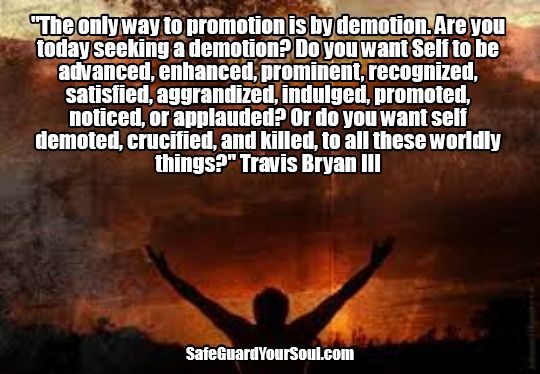
Jesus warns us of the dangers, the eternal danger of soul, associated with “the house of mirth” when He says:
“And take heed to yourselves, lest at any time your hearts be overcharged with surfeiting, and drunkenness, and cares of this life, and so that day come upon you unawares. 35 For as a snare shall it come on all them that dwell on the face of the whole earth. 36 Watch ye therefore, and pray always, that ye may be accounted worthy to escape all these things that shall come to pass, and to stand before the Son of man.” Luke 21:34-36
The lifestyle, the sin of over indulgence will always lead to eternal damnation. As is at times used in Scripture, wine in the title of this message merely speaks of celebration, not drunkenness, which is misuse and sin (Psalms 10:15; Proverbs 3:10; Ecclesiastes 9:7; 10:19; John 2; Ephesians 5:18, etc.).
“Enter ye in at the strait gate: for wide is the gate, and broad is the way, that leadeth to destruction, and many there be which go in thereat: 14 Because strait is the gate, and narrow is the way, which leadeth unto life, and few there be that find it.” Matthew 7:13-14
Jesus is now again reigning as supreme LORD at the right hand of the Father, having accomplished the cross, redemption through His death.

“And being found in fashion as a man, he humbled himself, and became obedient unto death, even the death of the cross. 9 Wherefore God also hath highly exalted him, and given him a name which is above every name:” Philippians 2:8-9
Based on His earthly sufferings, He is rightly called “the suffering Servant.” (Isaiah 53, etc.) Jesus suffered, died, was buried, and raised again from the dead. He calls us to also suffer the death of self that He might exalt us in His resurrection power, for His glory.
“Forasmuch then as Christ hath suffered for us in the flesh, arm yourselves likewise with the same mind: for he that hath suffered in the flesh hath ceased from sin; 2 That he no longer should live the rest of his time in the flesh to the lusts of men, but to the will of God.” 1 Peter 4:1-2
Suffering is also part of the life of the true disciple, every disciple, namely the suffering of the death of self so that Christ reigns (2 Corinthians 4:10-12; Galatians 2:20, etc.).
Suffering our own death so that Christ is reigning (resurrection), is the Gospel in action in our personal lives. Laying down our lives as Christ raises them up is the Gospel reenacted daily in our lives – death, burial, resurrection.
“For unto you it is given in the behalf of Christ, not only to believe on him, but also to suffer for his sake;” Philippians 1:29

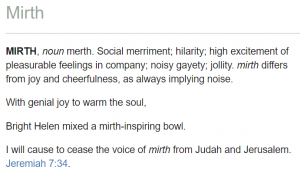
When Israel was in rebellion, the LORD warned that He was going to remove the mirth from them …..
“Then will I cause to cease from the cities of Judah, and from the streets of Jerusalem, the voice of mirth, and the voice of gladness, the voice of the bridegroom, and the voice of the bride: for the land shall be desolate.” (Jeremiah 7:34) Jesus is going to judge all men and eternally remove all “mirth”, that is, all joy, bliss, and celebration from the wicked – those who refuse to mourn.
“Blessed are they that mourn: for they shall be comforted.” Matthew 5:4
Those who mourn in this life are already experiencing a foretaste of glory divine – comfort from the “God of all comfort.” (2 Corinthians 1:2-5).
The counterfeit is characterized by his selfishness. He’s only in it for himself. He could care less about the God he falsely claims to be his savior – because it’s all about him, not the LORD. Therefore he wants no part with repenting, laying down his life in this world, denying self, taking up the cross, and following Jesus. He just wants the crown while refusing the cross. He wants instant gratification and hates waiting and this is why his handlers have to keep pumping him up with false hope – stringing him along, milking his money (2 Peter 2:1-3).
In the divine economy, there is much value in the seasons of suffering.
“My brethren, count it all joy when ye fall into divers temptations; 3 Knowing this, that the trying of your faith worketh patience. 4 But let patience have her perfect work, that ye may be perfect and entire, wanting nothing. … 12 Blessed is the man that endureth temptation: for when he is tried, he shall receive the crown of life, which the Lord hath promised to them that love him.” James 1:2-4
Serendipity: You really don’t begin to enjoy your life in this world until you lay it down – until you do it God’s way and not your own (Matthew 6:33; Luke 9:23-24; 14:33; 17:33). Every true disciple can testify to this – because every true disciple, by biblical definition, has truly repented, has laid down his life in this world and is daily denying self, taking up the cross and following Jesus. And, the result is resurrection grace and joy!
No, in this observation of the great joy that fills the heart of the true saint, I didn’t say or hint of loving this world – but rather in loving the LORD, truly (1 John 2:15). Yet, having a clear conscience and deep inner peace granted by God Himself, is essential to the fulfillment that glorifies Christ (Psalms 23).
Those in Christ will suffer and mourn and weep in this life and yet, in the end
“Ye shall weep and lament, but the world shall rejoice: and ye shall be sorrowful, but your sorrow shall be turned into joy.” John 16:20
“For his anger endureth but a moment; in his favour is life: weeping may endure for a night, but joy cometh in the morning.” Psalms 30:5
“For which cause we faint not; but though our outward man perish, yet the inward man is renewed day by day. 17 For our light affliction, which is but for a moment, worketh for us a far more exceeding and eternal weight of glory; 18 While we look not at the things which are seen, but at the things which are not seen: for the things which are seen are temporal; but the things which are not seen are eternal.” 2 Corinthians 4:16-18
In Christ’s kingdom, there’s the need to “Be afflicted, and mourn, and weep: let your laughter be turned to mourning, and your joy to heaviness.” Here’s the passage:
“But he giveth more grace. Wherefore he saith, God resisteth the proud, but giveth grace unto the humble. 7 Submit yourselves therefore to God. Resist the devil, and he will flee from you. 8 Draw nigh to God, and he will draw nigh to you. Cleanse your hands, ye sinners; and purify your hearts, ye double minded. 9 Be afflicted, and mourn, and weep: let your laughter be turned to mourning, and your joy to heaviness. 10 Humble yourselves in the sight of the Lord, and he shall lift you up.” James 4:6-10
There are death, burials, and resurrections in our lives. There can’t be the resurrection (mirth) till there’s first the death, and burial (the mourning). The following passage from 2 Corinthians 4 gives us the rhythm of the cross life in the divine economy. Pouring prayerfully over these divinely-inspired words is sure to be instrumental in bringing about God’s will in our lives.
“Always bearing about in the body the dying of the Lord Jesus, that the life also of Jesus might be made manifest in our body. 11 For we which live are alway delivered unto death for Jesus’ sake, that the life also of Jesus might be made manifest in our mortal flesh. 12 So then death worketh in us, but life in you.” 2 Corinthians 4:10-12
Only through the cross lifestyle can the disciple experience practically the riches of Christ.
Let us “taste and see that the LORD is good” as we forego on our own idea of feasting, excessive celebration in the things of this world, and get down low in worshipful humility, allowing God to bring us upward into His lavish chambers of fruitful delight, a foretaste of glory divine!
“O taste and see that the LORD is good: blessed is the man that trusteth in him.” Psalms 34:8
In Ecclesiastes 7, Solomon is in no way saying that celebration is wrong and yet, allowing God to fill our hearts with the joy and occasions of celebration is infinitely sweeter than perpetually avoiding pain and mourning in order to seek out celebration.
“Thou wilt shew me the path of life: in thy presence is fulness of joy; at thy right hand there are pleasures for evermore.” Psalms 16:11
Throughout Israel’s history, they rebelled and suffered greatly. The celebration of the people of God followed great suffering, as God liberated them. When the LORD set Israel free, releasing them from the bondage of enemy nations, from Babylon, they “were like them that dream”, and instructed by Him to be fruitful to His glory.
Psalm 126
“A Song of degrees. When the LORD turned again the captivity of Zion (set them free), we were like them that dream. 2 Then was our mouth filled with laughter, and our tongue with singing: then said they among the heathen, The LORD hath done great things for them. 3 The LORD hath done great things for us; whereof we are glad. 4 Turn again our captivity, O LORD, as the streams in the south. 5 They that sow in tears shall reap in joy. 6 He that goeth forth and weepeth, bearing precious seed, shall doubtless come again with rejoicing, bringing his sheaves with him.”
“Turned – Brought the captive Israelites out of Babylon into their own land. Dream – We were so surprised and astonished.” John Wesley
God’s people would later become unthankful, unholy, and overly indulge in “the house of mirth.” They were therefore allowed to be led back into the slavery, under the bondage the enemy.
Those whom Jesus saves are required by Him to “deny himself, and take up his cross daily, and follow me. 24 For whosoever will save his life shall lose it: but whosoever will lose his life for my sake, the same shall save it.” (Luke 9:23-24)
The believer is to live an abiding life with Christ, bearing the fruit that testifies to such (John 15). The Bible is full of warnings concerning falling away (Luke 8:13). If falling away were not possible, no such warnings would exist in Holy Writ.
“Therefore we ought to give the more earnest heed to the things which we have heard, lest at any time we should let them slip. 2 For if the word spoken by angels was stedfast, and every transgression and disobedience received a just recompence of reward; 3 How shall we escape (eternal judgment), if we neglect so great salvation; which at the first began to be spoken by the Lord, and was confirmed unto us by them that heard him;” Hebrews 2:1-3
On a personal note: In the past, I could never and have never been possessed by the deep satisfaction and fulfillment that now fills my life as I choose to do things GOD’s way, and not my own. The cross is God’s way. Every disciple reading this, who is learning that cross truth, can certainly concur!
“Better is the end (resurrection) of a thing than the beginning thereof (death and burial): and the patient in spirit is better than the proud in spirit.” Ecclesiastes 7:8
Surely the resurrection is better, more pleasurable than the death and burial, the dying, and yet the resurrection cannot occur without the death and burial first happening.
Adam Clarke on Ecclesiastes 7:2:
“It is better to go to the house of mourning – Birthdays were generally kept with great festivity, and to these the wise man most probably refers; but according to his maxim, the miseries of life were so many and so oppressive that the day of a man’s death was to be preferred to the day of his birth. But, in dependently of the allusion, it is much more profitable to visit the house of mourning for the dead than the house of festivity. In the former we find occasion for serious and deeply edifying thoughts and reflections; from the latter we seldom return with one profitable thought or one solid impression.” Adam Clarke
Adam Clarke on Ecclesiastes 7:4:
“The heart of the wise is in the house of mourning – A wise man loves those occasions from which he can derive spiritual advantage; and therefore prefers visiting the sick, and sympathizing with those who have suffered privations by death. But the fool – the gay, thoughtless, and giddy – prefers places and times of diversion and amusement. Here he is prevented from seriously considering either himself or his latter end. The grand fault and misfortune of youth.” Adam Clarke
“I walked a mile with Pleasure;
She chatted all the way.
But left me none the wiser
For all she had to say
I walked a mile with Sorrow,
And not a word said she;
But oh, the things I learned from her
When sorrow walked with me”
by Robert Browning Hamilton
“And he lifted up his eyes on his disciples, and said, Blessed be ye poor: for yours is the kingdom of God. 21 Blessed are ye that hunger now: for ye shall be filled. Blessed are ye that weep now: for ye shall laugh. 22 Blessed are ye, when men shall hate you, and when they shall separate you from their company, and shall reproach you, and cast out your name as evil, for the Son of man’s sake. 23 Rejoice ye in that day, and leap for joy: for, behold, your reward is great in heaven: for in the like manner did their fathers unto the prophets. 24 But woe unto you that are rich! for ye have received your consolation. 25 Woe unto you that are full! for ye shall hunger. Woe unto you that laugh now! for ye shall mourn and weep. 26 Woe unto you, when all men shall speak well of you! for so did their fathers to the false prophets.” Luke 6:20-26
Beloved of God, may we no longer run from the pain associated with the dying to self. Instead, let us embrace it, for therein in our own demise is the supreme reign of Christ.
Concerning our dying and the resulting heavenly treasure, one writer notes:
“In the cross there’s:
. . . freedom from self comes forth.
. . . new creation comes forth.
. . . new perspective comes forth.
. . . transformation by a renewed mind comes forth.
. . . glory (or “weight of glory”) is realized.
. . . immunity to (or resurrection immunity to) pain is realized.
The only real way to escape pain is to embrace it. It only gets worse when one uses human ways to numb it or escape it, pass it on or put it off on someone else.”
“Therefore also now, saith the LORD, turn ye even to me with all your heart, and with fasting, and with weeping, and with mourning:” Joel 2:12
Sodom and Gomorrah | The Cross Life | Joy Comes After the Mourning
Support | STORE | Podcasts | The Bridegroom is Calling His Bride | Purifying Ourselves as He is Pure [podcast] | 10 Clues Your Love for God is Waxing Cold [podcast]


Abiding
Nourished Up and Enduring to the End [podcast]
Recently a dear brother in Christ related this testimony to me of our LORD’s work in his life:
“I had a ‘back to Jesus’ moment after the election. As I was horribly disappointed in our country and the dividing of even my own friends, I was praying: ‘I’ve lost faith in my country, I’ve lost faith in my friends…’ then it hit me… I had put my faith in the wrong things. It’s so easy to depend on others. But now I am trusting only in my Lord and Savior.”
“For he looked for a city which hath foundations, whose builder and maker is God.” Hebrews 11:10
“For here have we no continuing city, but we seek one to come.” Hebrews 13:14
Satan seeks to seduce God’s people with counterfeit causes – causes outside of that which is clearly defined by Holy Scripture as Christ’s Gospel cause! A moral cause is not necessarily the work of the Messiah. Loving the LORD with all of our being and doing His work, the work of the Gospel is His will as we are “new creature(s)” in Christ and His “ambassadors,” sent forth by Him to teach His Word (Matthew 28:18-20; 2 Corinthians 5:20).
HAVE WE EXALTED FREEDOM ABOVE CHRIST – THE ONLY ONE WHO CAN GIVE IT? “Thou shalt have no other gods before me” (Exodus 20:3-5) and “No man can serve two masters” right? (Matthew 6:24)
Do we love Jesus more than freedom? Do we love His Great Commission more than the cause of getting our country back?
In fact we have no freedom if we are not born again and presently walking with and abiding in Jesus on HIS stated terms (John 8:31-32; 15:1-16). Jesus came to save, heal, and grant freedom in the Spirit, from Satan, and freedom from sin to those who are His (Matthew 1:21; Luke 4:18; John 1:29; Acts 26:18; Titus 2:11-14; 1 John 3:1-10, etc.). Here, listen to the Son of God ….
“As he spake these words, many believed on him. 31 Then said Jesus to those Jews which believed on him, IF ye continue in my word, then are ye my disciples indeed; 32 And ye shall know the truth, and the truth shall make you free.” John 8:30-32
The LORD makes free those whom He saves, those who continue in an abiding relationship with Him (John 15).
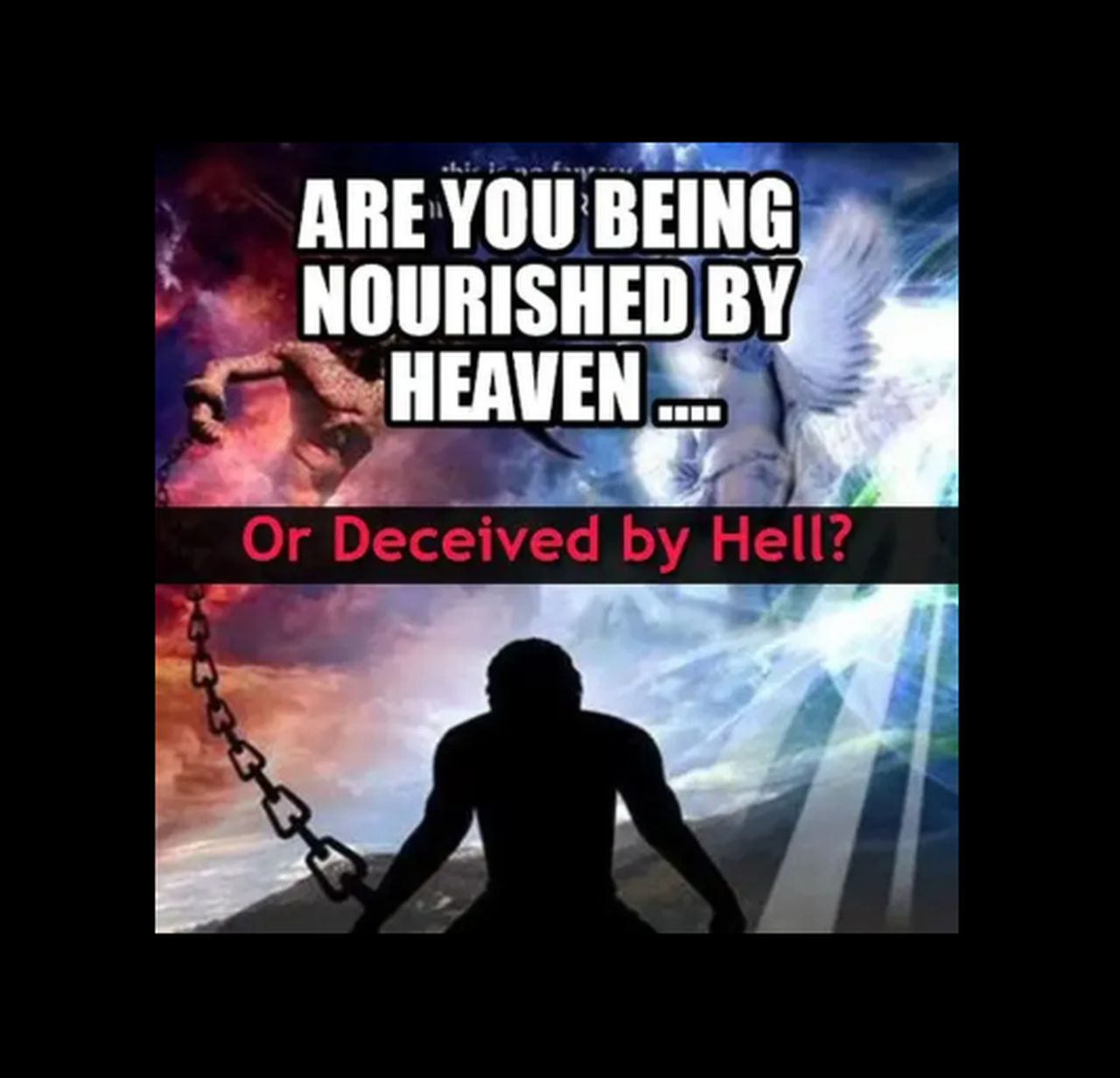
You must “desire the sincere milk of the word” and feed your spirit the Word of God daily or you will grow weak very quickly and fall away (1 Peter 2:2). Jesus calls us to be “Nourished up in the words of faith and of good doctrine” (1 Timothy 4:6).
A Good Servant of Christ Jesus
Jesus is KING and kingdom living is all about exalting KING Jesus – not mere men or organizations or ministries! It’s only then that His divine “nourishment” is going to flow down into His beloved body!
“Let no man beguile you of your reward in a voluntary humility and worshipping of angels, intruding into those things which he hath not seen, vainly puffed up by his fleshly mind, 19 And not holding the Head, from which all the body by joints and bands having nourishment ministered, and knit together, increaseth with the increase of God.” Colossians 2:18-19
Heaven’s “nourishment” only transpires when KING Jesus is truly exalted.
“I am the LORD: that is my name: and my glory will I not give to another, neither my praise to graven images.” Isaiah 42:8
Modern church pawns want you to become enamored with THEM, not CHRIST. It’s a sales job! Beware. Read Colossians 2:18-19 closely.
“If thou put the brethren in remembrance of these things, thou shalt be a good minister of Jesus Christ, nourished up in the words of faith and of good doctrine, whereunto thou hast attained.” 1 Timothy 4:6
Feed. Feast. Fuel. Those who choose not to feast upon and fuel their hearts and minds with God’s Word daily, are not going to make it. They will walk weak, empty, and malnourished, just as the 5 foolish virgins did and were shut out of the kingdom (Matthew 25:1-13). They have freely chosen not to be “nourished up in the words of faith and of good doctrine” (1 Timothy 4:6).
“As newborn babes, desire the sincere milk of the word, that ye may grow thereby:” 1 Peter 2:2
Daily drinking the healing oil of God’s Word assures divine nourishment and wholeness in your spirit. God’s Word gets in us only when we get into it – and seek Him in it daily. Memorize Jeremiah 15:16 now.
“Thy words were found, and I did eat them; and thy word was unto me the joy and rejoicing of mine heart: for I am called by thy name, O LORD God of hosts.” Jeremiah 15:16
JUST as none of us understand but know the blessing of food nourishing our physical bodies, so the Word of God nourishes our spirit man, our hearts. It’s a daily must. Feeding and being nourished by the words of God is an imperative (Job 12:23; Jeremiah 15:16; Hebrews 5:11-14; 1 Peter 2:2, etc.). His Word cannot get into us and nourish us until we get into it! Let the nourishment begin!
“Let the word of Christ dwell in you richly (abundantly)…” Colossians 3:16
Note here in the above passage, we see Christ instructing those who believed upon Him to “continue in my word.” This was Jesus’ perfect opportunity to tell these new believers that they were “eternally secure” but He didn’t because He’s the Son of God and not a false prophet!
Jesus says that it’s only “IF ye continue in my word” that you will know the truth, be made free and walk in the liberty, the freedom He alone can grant from sin! See John 8:31-32, 36. YOU GOT SAVED? GOOD – NOW STAY SAVED!
“Sow to yourselves in righteousness, reap in mercy; break up your fallow ground: for it is time to seek the LORD, till he come and rain righteousness upon you.” Hosea 10:12
You must turn your heart to the LORD – in true worship – in order to walk in the liberty that He alone can give!
“Nevertheless when it (your heart) shall turn to the Lord, the vail (that blinds) shall be taken away. 17 Now the Lord is that Spirit: and where the Spirit of the Lord is, there is liberty.” 2 Corinthians 3:16-17
Fake “bibles” such as the NIV teach that “It is for freedom that Christ has set us free” (Galatians 5:1). Read that again. In the context of the whole of Scripture, we must ask: Did Jesus come to set us free for freedom’s sake or to be set free from sin in order to serve Him as new creatures? (2 Corinthians 5:17-18). Any student of God’s Word knows that this NIV rendering of Galatians 5:1 is a contradiction, a lie. | Fake “bibles” Exposed!
“For, brethren, ye have been called unto liberty; only use not liberty for an occasion to the flesh, but by love serve one another.” Galatians 5:13
“As free, and not using your liberty for a cloke of maliciousness, but as the servants of God.” 1 Peter 2:16
As was foretold, we are seeing that some are departing from the faith, listening to devils and their doctrines from the fake “bibles” and false prophets of today, instead of being daily nourished up in the pure words of God and helping feed Christ’s flock. Get a King James Bible.
“Now the Spirit speaketh expressly, that in the latter times some shall depart from the faith, giving heed to seducing spirits, and doctrines of devils; 2 Speaking lies in hypocrisy; having their conscience seared with a hot iron; … 6 If thou put the brethren in remembrance of these things, thou shalt be a good minister of Jesus Christ, nourished up in the words of faith and of good doctrine, whereunto thou hast attained. … 16 Take heed unto thyself, and unto the doctrine; continue in them: for in doing this thou shalt both save thyself, and them that hear thee.” 1 Timothy 4:1-2, 6, 16
Any person who is teaching that it’s impossible to “depart from the faith” (to leave Christ) after being saved, is a false teacher (Luke 8:13).
“Take heed, brethren, lest there be in any of you an evil heart of unbelief, in departing from the living God. 13 But exhort one another daily, while it is called To day; lest any of you be hardened through the deceitfulness of sin. 14 For we are made partakers of Christ, if we hold the beginning of our confidence stedfast unto the end; 15 While it is said, To day if ye will hear his voice, harden not your hearts, as in the provocation.” Hebrews 3:12-15
“For ye had compassion of me in my bonds, and took joyfully the spoiling of your goods, knowing in yourselves that ye have in heaven a better and an enduring substance. 35 Cast not away therefore your confidence, which hath great recompence of reward. 36 For ye have need of patience, that, after ye have done the will of God, ye might receive the promise. 37 For yet a little while, and he that shall come will come, and will not tarry. 38 Now the just shall live by faith: but if any man draw back, my soul shall have no pleasure in him. 39 But we are not of them who draw back unto perdition; but of them that believe to the saving of the soul.” Hebrews 10:34-39
“And let us not be weary in well doing: for in due season we shall reap, if we faint not.” Galatians 6:9
Be not deceived: You cannot sustain a life with Christ without daily fellowship with Him!
“In your patience possess ye your souls.” Luke 21:19
“And ye shall be hated of all men for my name’s sake: but he that endureth to the end shall be saved.” Matthew 10:22
So many today who claim Christ view salvation as something they did in the past and not a present relationship with Christ on His stated terms (John 15; Titus 1:16).
Okay so think about the last time you heard this passage read in a “church” gathering. Well, have you ever heard it read? These are the warning words of the very and soon coming LORD and Savior.
“All these are the beginning of sorrows. 9 Then shall they deliver you up to be afflicted, and shall kill you: and ye shall be hated of all nations for my name’s sake. 10 And then shall many be offended, and shall betray one another, and shall hate one another. 11 And many false prophets shall rise, and shall deceive many. 12 And because iniquity shall abound, the love of many shall wax cold. 13 But he that shall endure unto the end, the same shall be saved.” Matthew 24:10-13
“And these are they by the way side, where the word is sown; but when they have heard, Satan cometh immediately, and taketh away the word that was sown in their hearts. 16 And these are they likewise which are sown on stony ground; who, when they have heard the word, immediately receive it with gladness; 17 And have no root in themselves, and so endure but for a time: afterward, when affliction or persecution ariseth for the word’s sake, immediately they are offended. 18 And these are they which are sown among thorns; such as hear the word, 19 And the cares of this world, and the deceitfulness of riches, and the lusts of other things entering in, choke the word, and it becometh unfruitful. 20 And these are they which are sown on good ground; such as hear the word, and receive it, and bring forth fruit, some thirtyfold, some sixty, and some an hundred.” Mark 4:15-19
Support | STORE | Podcasts | Because You Care Page | The Greatest of these is Charity | Be Ready in the Morning [podcast] | The Sure Mercies of David [podcast] | That Repentance and Remission of Sins should be Preached [podcast] | At His Feet | Prepared to be Used of God | Word of Faith Wolves and Delusion Exposed | Confess This | Personal Testimony of Todd Tomasella | Beware of False Promises and Half Truths | Exposing the False Prophetic Movement [podcast]




Abiding
Paul’s Prophetic Vision of Heretical Wolves Flooding the Church World During the Whole New Testament Era [podcast]

“And how I kept back nothing that was profitable unto you, but have shewed you, and have taught you publickly, and from house to house, … 25 And now, behold, I know that ye all, among whom I have gone preaching the kingdom of God, shall see my face no more. 26 Wherefore I take you to record this day, that I am pure from the blood of all men. … 27 For I have not shunned to declare unto you all the counsel of God. 28 Take heed therefore unto yourselves, and to all the flock, over the which the Holy Ghost hath made you overseers, to feed the church of God, which he hath purchased with his own blood. 29 For I know this, that after my departing shall grievous wolves enter in among you, not sparing the flock. 30 Also of your own selves shall men arise, speaking perverse things, to draw away disciples after them. 31 Therefore watch, and remember, that by the space of three years I ceased not to warn every one night and day with tears. 32 And now, brethren, I commend you to God, and to the word of his grace, which is able to build you up, and to give you an inheritance among all them which are sanctified.” Acts 20:20-32
Seems clear that the Holy Spirit in Paul foresaw the vile heretical wolves that were going to invade the professing church world for the whole era of the New Testament leading up to when Jesus returned. So, the Holy Spirit quickened in Paul to commend us to the Word of God (Acts 20:32).
“Study to shew thyself approved unto God, a workman that needeth not to be ashamed, rightly dividing the word of truth.” 2 Timothy 2:15
So, we see here that “rightly dividing the word of truth” is only possible by studying the Scriptures and not some man’s charts and system.
By the Holy Spirit, the LORD’s apostle Paul is instructing Timothy and us, to study the Word of God itself and not man’s system or charts.
BEWARE of those who arrogantly believe they they can dismiss certain biblical truths because in their own puny minds, they don’t understand how it all fits together. Be not deceived, these are pride-filled wolves and there are many among us! They go to seed on one truth to the exclusion of the whole of Scripture. Rebuke and run! (2 Peter 2:1-3)
“For we are not as many, which corrupt the word of God: but as of sincerity, but as of God, in the sight of God speak we in Christ.” 2 Corinthians 2:17
The unchanging Word of God, the Bible itself, and the Holy Spirit are the divine Source and Teachers of truth – and not mere men or sinful man’s concocted theological systems and/or charts! Beware saints. See Psalms 119:105, 130; Mark 13:31; John 14:26; 16:13; 2 Timothy 3:15-17, etc.
“Thy word is a lamp unto my feet, and a light unto my path.” Psalms 119:105
“The entrance of thy words giveth light; it giveth understanding unto the simple.” Psalms 119:130
“But the Comforter, which is the Holy Ghost, whom the Father will send in my name, he shall teach you all things, and bring all things to your remembrance, whatsoever I have said unto you.” John 14:26
“Howbeit when he, the Spirit of truth, is come, he will guide you into all truth: for he shall not speak of himself; but whatsoever he shall hear, that shall he speak: and he will shew you things to come. 14 He shall glorify me: for he shall receive of mine, and shall shew it unto you.” John 16:13-14
“Behold, I come quickly: hold that fast which thou hast, that no man take thy crown.” Revelation 3:11
“… Christ also loved the church, and gave himself for it; 26 That he might sanctify and cleanse it with the washing of water by the word, 27 That he might present it to himself a glorious church, not having spot, or wrinkle, or any such thing; but that it should be holy and without blemish.” Ephesians 5:25-27
Is your favorite minister warning you to be ready for Christ to return?
Here’s why you must study God’s Word – the whole of it – for yourself:
Perhaps the most insidious, dangerous thing false teachers do is that they over emphasize the minors while evading or under emphasizing or never mentioning the majors – the doctrinal majors of God’s Word.
“Woe unto you, scribes and Pharisees, hypocrites! for ye pay tithe of mint and anise and cummin, and have omitted the weightier matters of the law, judgment, mercy, and faith: these ought ye to have done, and not to leave the other undone. 24 Ye blind guides, which strain at a gnat, and swallow a camel. 25 Woe unto you, scribes and Pharisees, hypocrites! for ye make clean the outside of the cup and of the platter, but within they are full of extortion and excess.” Matthew 23:23-25
False Leaders are Know by their Refusal to Warn as did Paul
God’s men are to call out and not cover the sins of His people.
“Cry aloud, spare not, lift up thy voice like a trumpet, and shew my people their transgression, and the house of Jacob their sins.” Isaiah 58:1
The LORD cites the false teachers among us in that they specifically do not tell the people what God says is sin – They refuse to lift up their voice and “shew my people their transgression, and the house of Jacob their sins.”
Very important truth here. False leaders refuse to show God’s people what GOD calls sin which is the only way people in sin (includes any of us) can be made free. Take note and make record of this verse:
“Thy prophets (leaders) have seen vain and foolish things for thee: and they have not discovered thine iniquity, to turn away thy captivity; but have seen for thee false burdens and causes of banishment.” Lamentations 2:14
“The fear of the LORD is to hate evil: pride, and arrogancy, and the evil way, and the froward mouth, do I hate.” Proverbs 8:13
Paul’s Prophetic Vision of Heretical Wolves Flooding the Church World During the Whole New Testament Era [podcast]
Dispensationalism Exposed | Calvinism Exploded | Hebrews Roots Heresies
Support | STORE | Podcasts | The Return of Christ | Stewardship | Where to Give and Where Not to Give | Fruit Abounding to Your Account! | Victory in Jesus | Discipleship | The Glorious Grace of God | The Restoring Love of Our God | God’s Mercy | Spiritual Warfare | Justification | Grace and Good Works [podcast]



Abiding
The Surrender of the Cross [podcast]

“For whom he did foreknow, he also did predestinate to be conformed to the image of his Son, that he might be the firstborn among many brethren.” Romans 8:29
One writer notes:
“Your sin is not the disqualification. Your refusal to repent is.
The strongest men in scripture weren’t the sinless ones. They were the ones who fell and did not stay down.
David: adultery, a murder ordered from a throne, a dead son. And the psalm he wrote on his face: “The sacrifices of God are a broken spirit: a broken and a contrite heart, O God, thou wilt not despise.”
Peter: three denials in one night. “And Peter went out, and wept bitterly.” Fifty days later he stood in the same city and preached the sermon that saved three thousand.
Paul: dragged Christians to prison and death. “Christ Jesus came into the world to save sinners; of whom I am chief.”
“But we have this treasure in earthen vessels, that the excellency of the power may be of God, and not of us.”
God is not collecting monuments. He’s raising men who get on their face, get clean, and get back in the fight.”
Brother Billy, a friend of mine, asked “What is the cross?” We’re going to talk about that in this podcast message.
So many today have this idol image of the cross. They do not understand what Jesus and His holy apostles taught us about what the cross is as it pertains to our daily life in following Jesus.
Some think there is power bowing down before an image of the cross. Not.
Some believe it’s of God to carry a little cross in their pocket, nearly like a good luck charm. Not.
Others believe that making the sign of the cross is of God. Not.
In one word, the cross, as it applies to us as Jesus taught, is surrender in repentance and thereafter daily.
When we’ve repented and received Christ as the LORD and Savior of our lives, He washes us clean of all our sin. That is initial salvation and thereafter we must walk with Christ and live in the victory He died and rose again to grant His people.
Did Jesus die on that cross to set us free to sin for the remaining of our days on the earth after He saves us? No.
The cross separates us from self and therefore sin. Jesus knew we’d need this in order to walking holy after He initially saves us, washing us of all sin. That’s initial salvation and in order to thereafter walk with our LORD, we must be crucified with Him which will keep us from living in sin.
“But if we walk in the light, as he is in the light, we have fellowship one with another, and the blood of Jesus Christ his Son cleanseth us from all sin.” 1 John 1:7
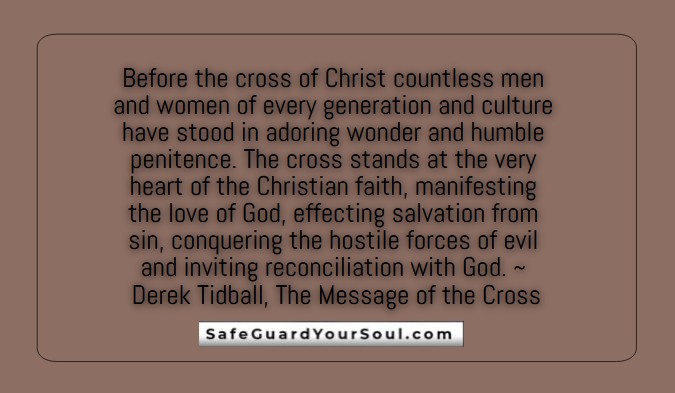
Jesus Christ is the only One who can save and sanctify us. Regrettably, so many stop at initial salvation and as Satan would have it, they are told the “eternal security” lie. This is the lie that led the first man and woman to sin which plunged the human race into darkness, separation (Genesis 2:17 > 3:4).
Jesus died to “take away our sins” – initially and ongoing as we “endure to the end” abiding, remaining, continuing in and with our LORD (Matthew 10:22; 24:13; John 15:1-6, etc.).
“he was manifested to take away our sins”
“And ye know that he was manifested to take away our sins; and in him is no sin. 6 Whosoever abideth in him sinneth not: whosoever sinneth hath not seen him, neither known him.” 1 John 3:5-6
“If any man will come after me, let him deny himself, and take up his cross daily, and follow me. 24 For whosoever will save his life shall lose it: but whosoever will lose his life for my sake, the same shall save it.” Luke 9:23-24
Ask God to let His message of the cross be absorbed and deeply permeate your heart and mind.
“Let these sayings sink down into your ears: for the Son of man shall be delivered into the hands of men.” Luke 9:44
Karen Cochran writes:
“’Only in the light of Calvary will we discover how the pain of our suffering can be transformed into a ministry.’
Our deepest transformations happen during our times of sufferings! I have found Jesus more in my darkest valleys than on the mountain tops, because in the high places I did not think I needed Him. But when I am in the valley of the shadow of death, and cry out, ‘Please Jesus I am poor in spirit and can doing nothing without You.’ In His grace He reaches down into that place and gives me the comfort of God, and raises me up out of my troubles. The cross life! Romans 6. We go down into death and He raises us up into newness of life.
When we experience His compassion, we are then required to comfort others with the same comfort we have received from God. 2 Cor 1:3-5. That is how He births ministry in us!”
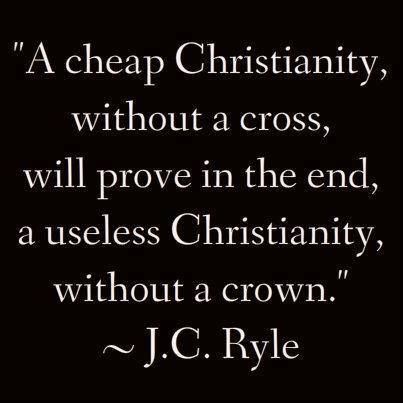
“For the preaching of the cross is to them that perish foolishness; but unto us which are saved it is the power of God.” 1 Corinthians 1:18
IF in your fellowship you are not hearing the cross, the crucified life biblical message and knowing Jesus and the Father, you are sitting under “another gospel.” (John 17:3; Galatians 1:6-9; 2:20; 6:14; Philippians 3:10; Colossians 1-2)
Jesus is “the life” and Jesus taught and demonstrated by His own life and mission that death and burial must of necessity precede resurrection (John 14:6). YET, you will seldom if ever hear this original, central Gospel cross truth mentioned in a modern church. Think: “Life Surge”, another fad ministry campaign. They speak of the “surge” or resurrection and yet they will never mention the death and burial Christ requires as a condition to raise, to cause one to surge. This means they are raising themselves up instead of dying and letting God raise them up.
Beware of the false gospel being peddled at nearly EVERY so-called “church” in this late hour. The wolves who occupy those pulpits are “accursed” for preaching “another gospel.” (Galatians 1:6-9) A gospel without the cross of Christ and the one He mandated that you take up, is a false gospel .
“And many false prophets shall rise, and shall deceive many.” Matthew 24:11
WHO ELSE needs a rest from the vile rage of the flesh?
“For I know that in me (that is, in my flesh,) dwelleth no good thing: for to will is present with me; but how to perform that which is good I find not. … O wretched man that I am! who shall deliver me from the body of this death?” Romans 7:18, 24
There is nothing good in me, nor in you, other than Christ. This is why we must be “crucified with Christ.”
“I am crucified with Christ: nevertheless I live; yet not I, but Christ liveth in me: and the life which I now live in the flesh I live by the faith of the Son of God, who loved me, and gave himself for me.” Galatians 2:20
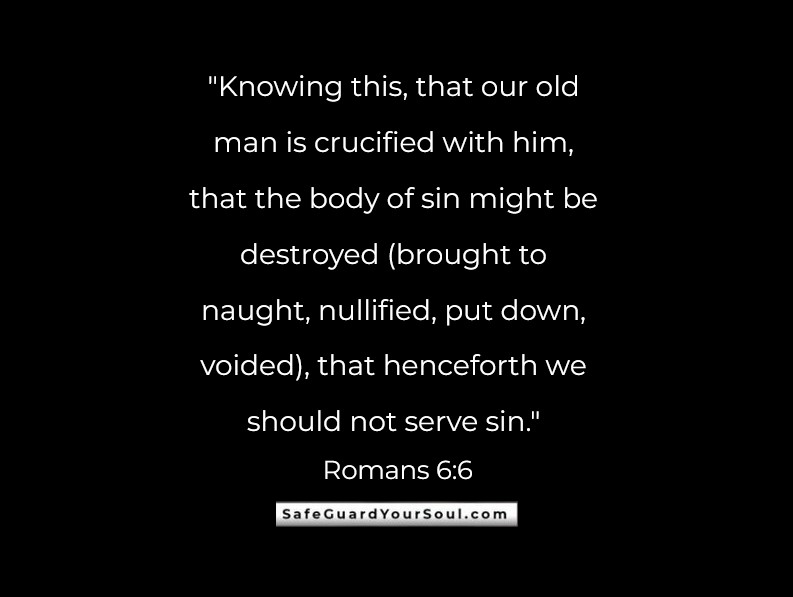
Your relationship with the LORD and the corresponding fruit are dependent upon you “Letting go and letting God.”
Without being born again and living the crucified life Jesus has called us to, there is no hope of remaining in Christ – of abiding in Christ and seeing God produce “fruit … more fruit” and “much fruit.” See John 15:1-16.
Putting to rest the deeds of the body is the crucify the flesh.
WHO are truly Christ’s?
“And they that are Christ’s have crucified the flesh with the affections and lusts.” Galatians 5:24
IF one is not crucifying the flesh daily, he is living in the flesh, in sin.
Reading Romans 6 each morning will be a blessing to your life.
“Not my will, but thine, be done.”
Jesus tells His disciples to “Watch and pray” – to remain vigilant perpetually in prayer and watching. Then He tells us why – because “the flesh is weak.”
“Watch and pray, that ye enter not into temptation: the spirit indeed is willing, but the flesh is weak. 42 He went away again the second time, and prayed, saying, O my Father, if this cup may not pass away from me, except I drink it, thy will be done.” Matthew 26:41-42
“Saying, Father, if thou be willing, remove this cup from me: nevertheless not my will, but thine, be done.” Luke 22:42
Our Savior demonstrated the cross, before the cross when He declared to His and our Father “not my will, but thine, be done.”
This is divine prayer material for us saints – “not my will, but thine, be done.”
One source notes the following concerning Jesus’ submission and surrender to the Father:
“Jesus yielded up His spirit to the Father after completing His perfect sacrifice.
- Luke 23:46: “And when Jesus had cried with a loud voice, he said, Father, into thy hands I commend my spirit: and having said thus, He gave up the ghost.”
- John 19:30: “When Jesus therefore had received the vinegar, he said, It is finished: and he bowed his head, and gave up the ghost.”
- Philippians 2:8: “And being found in fashion as a man, he humbled himself, and became obedient unto death, even the death of the cross.”
The Meaning of Surrender at the Cross
- Complete Submission: Jesus willingly submitted to the Father’s will, finishing the work of redemption.
- The Believer’s Response: Scripture calls followers of Jesus to model this surrender by taking up their own cross daily (Luke 9:23).”
Slaves to “Christian” or “Church” Conmen and Cross-less Counselors
The cross is the opposite of what the fake “church’s” calls “self-care.” “Self-care” is a fake “solution” that brings repeat busine$$ to those who perpetrate it. The cross is God’s solution – beginning at the foot of Christ’s redemptive cross and the cross He mandates you to take up daily. Beware of the cross-less deceivers (Philippians 3:18-19). There is no salvation or solution from sin outside of Christ, and Christ commands us to take up the cross, be crucified with Him, daily after He initially saves us (Luke 9:23-24). If not, you are not following Him. One can only follow Jesus the way He prescribed. Read that again.
There are lots of people peddling the lie of “self care” which is ultimately nothing more than absolute self-idolatry. Pure evil. We need SAVIOR care! Such “self-care” only perpetuates the prey, the victim, in their misery. The only way to deal with the wicked iniquitous nature, is to crucify it, not pamper it (Luke 9:23-24). It’s your time to get into God’s Word and follow Jesus (KJB). Repent, deny yourself, lay down your life and serve God and others, not yourself. Loving your wicked self IS your problem and so all “self care” is accomplishing is to make your problem bigger, to fortify the evil within (Galatians 5:16-24). Crucifying that evil by the power of the Holy Spirit who is then raising your upward in His grace, glory, and power, is the divine prescription (Romans 8:13; Colossians 3:3, etc.). Read Philippians 2:3-5 each morning this week. Jesus commands you to love God. Worship God. Obey God (Matthew 22:37-39).
Jesus conquered sin, death, hell, and the grave by surrendering – by dying to self and honoring and executing the will of the Father.
“Forasmuch then as the children are partakers of flesh and blood, he also himself likewise took part of the same; that THROUGH DEATH he might destroy him that had the power of death, that is, the devil;” Hebrews 2:14
The daily cross, the surrender of self, is essential to keep sin out of our lives. It is our submission to God – giving back to Him the life he gave which is us – and came and died to redeem.
“He must increase, but I must decrease.” John 3:30
“ye are not your own? For ye are bought with a price”
“What? know ye not that your body is the temple of the Holy Ghost which is in you, which ye have of God, and ye are not your own? 20 For ye are bought with a price: therefore glorify God in your body, and in your spirit, which are God’s.” 1 Corinthians 6:19-20
Surely we don’t believe Jesus initially saved us only to approve of us thereafter living in sin.
“What shall we say then? Shall we continue in sin, that grace may abound? 2 God forbid. How shall we, that are dead to sin, live any longer therein?” Romans 6:1-2
Beware of the cross-evading “eternal security” deceivers whom Jude calls “ungodly men”, who by their serpentine heresy, are “turning the grace of our God into lasciviousness (license to sin)” and by doing so they are “denying the only Lord God, and our Lord Jesus Christ.” (Jude 3-4) These are “enemies of the CROSS of Christ.” (Philippians 3:18-19)
How do we know that those who teach “once saved always saved” are of the devil? – Because that was Satan’s first lie which led to the fall of mankind in the Garden and it’s resulting in the same falling away today. Read what God said in Genesis 2:17 and then what Satan said in Genesis 3:4.
Now read Romans 6 each morning for the next 3 days. Ask yourself: Can you live in communion with God who is holy, without the crucified life”? No.
“For he that is dead is freed from sin.” Romans 6:7
Read that verse again and ask: “WHO are the only people ‘freed from sin’”? – It’s exclusively those who are “dead” and buried with Christ. They are then raised upward in the glory and power of Jesus Christ, walking fruit-filled lives for His eternal glory (Romans 8:11-14).
PRAYER: Holy Father, I come to You afresh, and I ask You to have Your way in my life. Please overcome all evil dear LORD. You must increase but I must decrease – now and till You return. Not my will but Thine be done Jesus. Please help me to love and trust You more. In Jesus’ name.
Support | STORE | Podcasts | Mexico Mission here | Jail/Prison Ministry | All Ministry Updates | More on Assurance here | Because You Care Page | The Greatest of these is Charity | Be Ready in the Morning [podcast] | The Sure Mercies of David [podcast] | That Repentance and Remission of Sins should be Preached [podcast] | At His Feet | Knowing God | The Cross Life | 100’s of Christ-centered Scripture-rich Podcasts | Christology = the Study of Christ | Faithfulness to God







Nourished Up and Enduring to the End [podcast]

Naming Names: Is It Biblical? [podcast]

Paul’s Prophetic Vision of Heretical Wolves Flooding the Church World During the Whole New Testament Era [podcast]

The Surrender of the Cross [podcast]

Sola Scriptura vs the Catholic Church and its Traditions [podcast]

“Pastors According to Mine Heart” [podcast]

Ridiculous King James Bible Corrections

Darwin’s Demise: What they don’t want You to know about Charles Darwin! [podcast]

Beware of “Private Interpretation” [podcast]

The Benefits of Knowing and Delighting in the LORD [podcast]

Cons and Crooks who Do Not Preach the Cross [podcast]

NET New English Translation Fake “bible” Exposed

Doubt Casting Wolves Exposed

Thank You for Declaring that the Mexican People Matter to Jesus! Mission Mexico Part 50

John Wesley on Calvinism, Once Saved Always Saved, and Conditional Security
John Wesley on Calvinism, Once Saved Always Saved, and Conditional Security

Why Did God Give Us His Word? [podcast]
Paul’s Prophetic Vision of Heretical Wolves Flooding the Church World During the Whole New Testament Era [podcast]
Beware of “Private Interpretation” [podcast]

Beware of the Hebrew Roots Judaizing Snakes! [podcast]
Naming Names: Is It Biblical? [podcast]

The Highest Form of His Creation

The Flesh will Never be Reformed it Must be Crucified [podcast]

The High Treason of False Leaders [podcast]
Nourished Up and Enduring to the End [podcast]

Can and Will God Use You? [podcast]

A PLACE CALLED HELL [podcast]

Arrogant Bible Correctors Rebuked
“Pastors According to Mine Heart” [podcast]

Nicolaitan Nightmare [podcast]
Nourished Up and Enduring to the End [podcast]
Naming Names: Is It Biblical? [podcast]
Paul’s Prophetic Vision of Heretical Wolves Flooding the Church World During the Whole New Testament Era [podcast]


 America2 years ago
The Drugging of America: The Pharmakeia Sorcery Deception [podcast]
- Articles3 years ago
Children being Rescued in Tunnels: Happening Now – UPDATE!
- Articles9 years ago
Self-Examination in Preparation for the Lord’s Return
- Apostasy3 years ago
SHOCKING List of False Prophets Most Believe are True